Netanyahu and Musk Discuss AI, Autonomous Mobility at Israel's Smart Transportation Conference 2025
December 29, 2025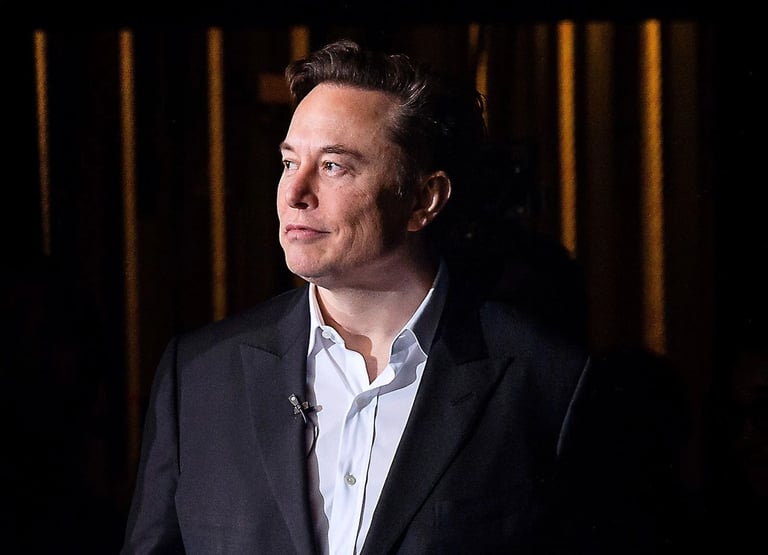

In a high-profile briefing, Israeli Prime Minister Benjamin Netanyahu and Elon Musk discussed accelerating AI development and autonomous-vehicle legislation, with Musk invited to Israel’s Smart Transportation Conference in March 2025 and potential expansion of Tesla in the region.
Experts note Israel’s long history in cybersecurity and tech as giving it a competitive edge in the AI race, even as global regulators heighten scrutiny of AI.
Overall, the call signals a strategic push for Israel to lead in AI and autonomous mobility through international collaboration, regulatory readiness, and broader economic growth.
Public reaction on social media was mixed, with supporters optimistic about innovation while critics raised geopolitical and ethical concerns; investors showed cautious sentiment.
Analysts warn of potential GDP gains from AI exports and startups, job creation in AI and mobility, and the need for regulatory progress on autonomous vehicles within geopolitical considerations.
The discussions touch on possible perceptions of Musk aligning with Netanyahu’s government, potential backlash in some markets, and the broader debate about tech leaders’ roles in geopolitical conflicts.
Technical perspectives cover AI methods like neural networks for perception, reinforcement learning for planning, edge computing for real-time processing, plus security and privacy protections; regulators expect AI audits and scalable deployments by the late 2020s.
The story emphasizes navigating geopolitical risks and public sentiment while building infrastructure and a favorable regulatory environment for autonomous transportation advances.
The piece notes ongoing international legal tensions over Gaza and ICC actions, suggesting Musk’s visit aims to spur tech progress and economic growth despite these strains.
Public discourse recognizes tensions between innovation and ethics, with Gaza, human rights, and humanitarian concerns shaping perceptions of tech-humanitarian responsibilities.
Commercial models discussed include licensing AI for public transit and fleet management, with Tesla’s autonomous features illustrating revenue potential amid competition from Waymo, Cruise, and Apollo.
The broader market context places the smart transportation sector in a trajectory from about 105 billion dollars in 2023 to an estimated 250 billion by 2030, driven by AI-enabled management and emissions reductions.
Summary based on 7 sources
Get a daily email with more AI stories
Sources

Washington Examiner • Dec 29, 2025
Musk speaks with Netanyahu about transforming Israel into global AI leader


OpenTools • Dec 29, 2025
Netanyahu and Musk's AI Alliance: A Leap Toward Autonomous Future