Dismantling USAID: Trump's Foreign Aid Overhaul Sparks Legal Battles, Risks Global Influence Shift
December 29, 2025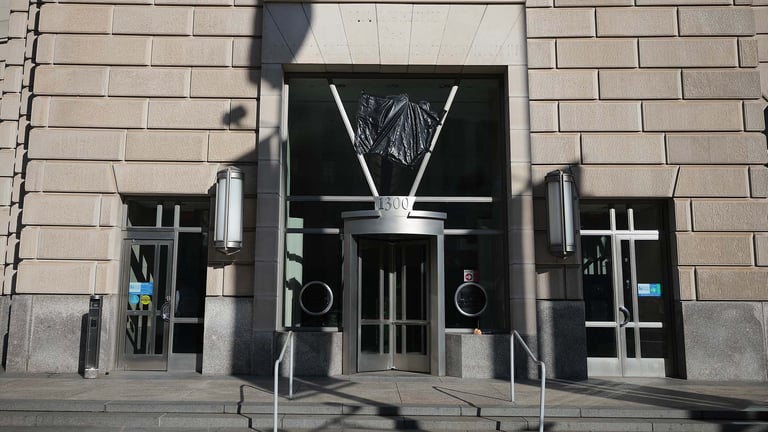

Humanitarian and global impact warned by UNICEF, WFP, Mercy Corps, and researchers that aid reductions could cost millions of lives and reduce UN peacekeeping and multilateral engagement.
The Trump-era overhaul of U.S. foreign aid culminated in the dismantling of USAID, with DOGE halting payments, firing thousands of staff, canceling billions in contracts, and absorbing USAID functions into the State Department, shrinking the workforce from about 13,000 to under 900.
Budget mechanics featured formal rescissions aiming to cut roughly $9.4 billion, followed by a pocket rescission of about $4.9 billion, and the FY26 budget proposal signaling about $30 billion in cuts (roughly 41%) before rescissions.
Congressional reaction split along party lines: Republicans backed the cuts and fiscal discipline, while Democrats warned about legality and the risk to U.S. influence, pursuing oversight and nominations avenues but with limited leverage.
A freeze on new foreign aid and a stop-work order paused most grants and contracts, with only narrow waivers for critical security aid and emergency food relief.
Analysts warn the policy shift signals a long-term retreat from bipartisan U.S. leadership in foreign aid, risking higher mortality, greater instability, and increased Chinese influence unless a multi-year rebuilding effort is undertaken.
Legal challenges proliferated, with lawsuits challenging restructurings and rescissions; lower courts offered limited relief, some appellate rulings allowed continuation, leaving ongoing, uncertain litigation.
Institutional and constitutional dynamics showed Congress wresting with spending power and authority over rapid executive actions, while DOGE’s legality and existence were debated; the Supreme Court granted some executive latitude amid ongoing disputes.
Geopolitically, China and other rivals moved to fill aid gaps, weakening U.S. soft power, democracy promotion, and multilateral leadership, including at the UN.
The State Department bore the brunt on the ground, with over 1,100 civil servants and nearly 250 foreign service officers in Washington dismissed, and far-reaching curtailments of promotions and ambassadorial nominations.
Overall, the administration’s transformation of foreign assistance redefined U.S. global engagement by dissolving USAID and creating the Department of Government Efficiency to drive cost-cutting and centralized control.
Summary based on 1 source
Get a daily email with more US News stories
Source

Elcano Royal Institute • Dec 29, 2025
America adrift: Trump, DOGE and the sweeping cuts to US foreign assistance and the diplomatic corps