Beeple's 'Regular Animals' Stirs Controversy with Tech Billionaire Robots at Art Basel
December 4, 2025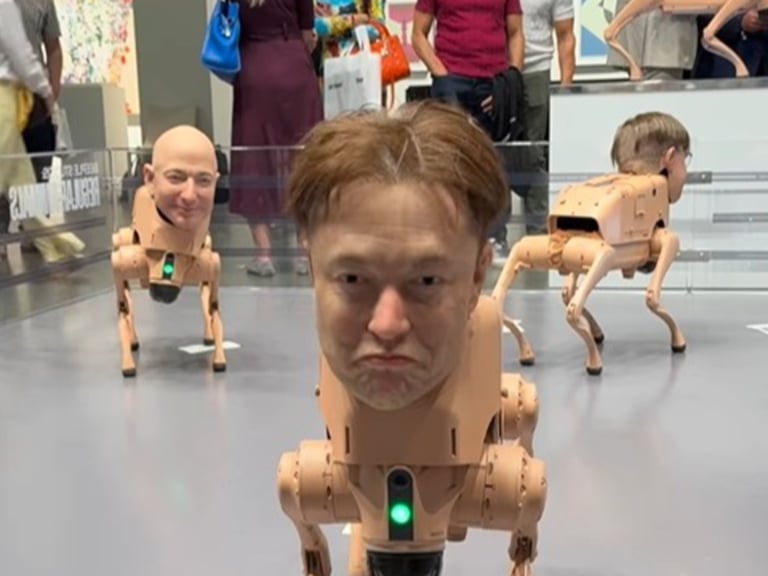

Beeple suggests NFTs are inseparable from the physical artifacts in this piece, critiquing NFT culture and tech influence on art.
The installation reinterprets legacy portraiture and sculpture through a tech lens, blending satire with commentary on surveillance, media, and digital assets.
Mask craftsmanship strengthens the critique of celebrity power and AI-influenced perception in the digital age.
The project plans 1,028 prints with 256 verifiable as NFTs, highlighting a marketplace angle for outputs.
Landon Meier’s hyper-realistic masks amplify the installation’s unsettling effect, intensifying commentary on identity and the commodification of art.
The project underscores concerns about a few powerful individuals and corporations dominating design and media ecosystems.
The exhibit has gone viral for its commentary on wealth, power, and the influence of tech leaders in contemporary culture.
As part of Art Basel’s Zero 10, the digital-art sector’s prominence grows, reflecting the convergence of art, technology, and culture.
Beeple debuts Regular Animals at Art Basel, a provocative installation in Zero 10 that uses animatronic dog robots with hyper-realistic masks of tech billionaires and iconic artists to critique technology, art commodification, and NFT hype.
The robots reinterpret what they observe through AI-generated prints in styles tied to each figure, printing artwork from their rear and even featuring a toy-like 'poop mode' on their backs.
The display unfolds in a custom pen where the dogs roam, capture images with built‑in cameras, and feed into a broader commentary on surveillance and perception.
Looking ahead, the work signals potential shifts in NFT valuation, rising institutional interest in digital art, and ongoing debates about digital property rights and AI/robotics in art.
Observers expect growth in the art-tech market, new investment in hybrid artworks, and a recalibration of ownership models as cultural discourse helps shape AI governance.
Promotional notes mention barcode-scanned prints yielding a free NFT memento stored on the blockchain for three years.
The opening frames the work as provocative commentary on AI, art, and surveillance, aiming to create a feedback loop where art observes and remembers viewers.
The robots occupy a boxing-ring-like Zero 10 space from early December, underscoring a commentary on how platform algorithms shape visibility online.
The provocative nature of the piece has sparked discussion and controversy, drawing substantial media attention.
The piece reflects how a handful of powerful voices shape daily life through algorithms, news feeds, and entertainment.
Coverage from ARTnews and Whitewall highlights the broader dialogue on AI, robotics, and digital culture surrounding the piece.
Reception remains mixed, with praise for sharp NFT culture critique and criticism labeling it gimmicky or offensive to real figures.
Public reaction has ranged from fear to fascination, with reported sale of robots at around $100,000 each.
The theatrics and imagery aim to generate discussion and media coverage, reinforcing Beeple’s influence in the digital art scene.
Beeple argues that powerful algorithms steered by figures like Zuckerberg and Musk shape global perception, shifting influence from artists to tech magnates.
Visitors can collect NFT prints labeled Excrement Samples, underscoring themes of ownership and value in the digital age.
Its presentation signals Beeple’s ongoing critique of tech-driven culture through a striking mix of technology, sculpture, and pop culture.
The reception is mixed, fueling debate about AI ethics, machine agency, and boundaries between art and technology.
Prints are meant as keepsakes, reinforcing the provocative and collectible nature of the exhibit.
Beeple places the work within a broader conversation about technology’s control of cultural narratives and the evolving role of artists as critics.
Beeple notes the NFT market’s volatility but remains optimistic about enduring innovation in digital art and AI-driven sculpture.
Beeple, real name Mike Winkelmann, is renowned for NFT milestones like Everydays and for continuing to critique culture through digital art.
Zero 10 curator Eli Scheinman notes the space is designed for boundary-free interaction with technology and cameras, without physical screens.
The robots symbolize tech leadership’s reach, with visual treatments reflecting each figure’s style to emphasize control over what people see.
The work suggests that online influence comes from algorithms orchestrated by a few, affecting perception and culture.
Edition pricing places each piece at around $100,000 in two-edition sets plus an artist’s proof, with one Bezos bot intentionally left unsold.
Additional figures like Sergey Brin and others appear, though their thematic link remains unexplained.
The piece is positioned as a milestone in art-technology fusion, foreshadowing hybrid artworks redefining creativity and ownership.
Crude robotic behaviors, including defecation, symbolize a critique of sanitized tech narratives and probe imperfection in AI.
Coverage across major outlets frames the piece as a provocative blend of humor, horror, and tech commentary in Beeple’s work.
It also foreshadows evolving regulation and the growing prominence of hybrid physical-digital artworks that blur art, commerce, and technology.
Context frames the piece as a meditation on how AI reframes reality and the evolving relationship among artists, tech leaders, and audiences.
Public reactions range from amusement to discomfort, highlighting ethical questions about AI in art, authenticity, and digital capitalism across outlets.
Economically, the AI-generated pieces sold around six figures each, signaling rising demand for blockchain-backed digital art and potential shifts in valuation.
The installation emphasizes fusion of robotics, AI, and generative media, illustrating how algorithms shape online experiences and performances.
By blending physical robotics with digital culture, the work challenges traditional art norms and prompts reflection on humanity’s relationship with machines.
The work aims to challenge perceptions of value, authenticity, and tech mogul influence by blending satire, robotics, and digital media at a high-profile fair.
The juxtaposition of Picasso, Warhol, and tech magnates shows a shift from traditional media to server-based cultural influence and NFTs.
CNN notes the piece’s eye-catching nature and its potential to spark conversations about digital art and celebrity culture at fairs.
Summary based on 18 sources
Get a daily email with more AI stories
Sources
Gizmodo • Dec 4, 2025
Musk, Bezos, and Zuckerberg Are Full of Shit (Literally) in New Art Exhibit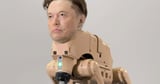
Digital Trends • Dec 5, 2025
These could be the creepiest robots you’ve ever set eyes on