AI Uncovers First Commercial Blind Geothermal Site in Nevada After 30-Year Drought
December 4, 2025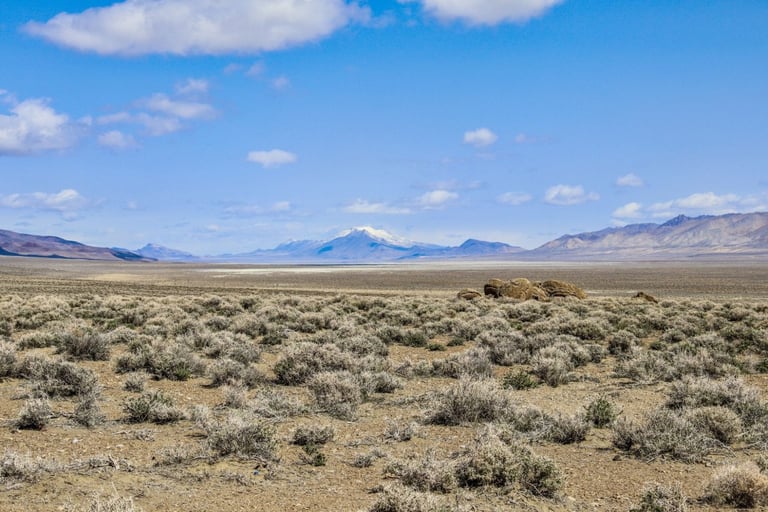


A Nevada startup, Zanskar Geothermal and Minerals, reports a new commercially viable blind geothermal site in Big Blind, western Nevada, identified with AI analysis of underground data, marking a potential breakthrough after more than three decades without a proven commercial blind-system site.
The discovery is described by Zanskar’s co-founders as the first full-scale, commercially viable geothermal find in over 30 years, signaling a potential turning point for the industry.
AI-assisted work pinpointed a sizeable blind geothermal prospect at Big Blind, with the site showing no surface geothermal signs but a high heat flow anomaly identified through models and targeted drilling.
Context: the International Energy Agency says geothermal could meet up to 15% of global power-demand growth by 2050, contingent on policy support and workforce development.
Next steps include securing construction and grid-connection permits, attracting investment, and conducting long-term tests to monitor heat and fluid flow at the site.
Historical federal data once estimated about 30 gigawatts of undiscovered geothermal potential in the U.S., enough to power tens of millions of homes; newer estimates suggest much higher potential.
Geothermal power relies on underground hot water reservoirs; blind systems are deep underground and not detectable at the surface, making them hard to locate and often discovered by chance.
Industry experts say the approach tackles complex subsurface geology and could enable large-scale discovery of previously hidden geothermal resources, potentially accelerating growth.
U.S. policy shows bipartisan support for geothermal as a zero-emissions baseload power source, with geothermal tax credits preserved in a recent large tax and spending package.
Further testing is needed to determine reservoir size, shape, and water flow; drilling and tests will assess commercial viability and electricity-generation capacity.
Historically, U.S. geothermal development declined after the 1980s as funding shifted, and today geothermal contributes less than 1% of energy supply despite untapped potential for blind systems in the West.
Industry context contrasts this with enhanced geothermal systems, which engineer conditions artificially; experts note EGS can be costlier and involve water use and seismic considerations, while Zanskar targets natural blind systems.
Summary based on 4 sources
Get a daily email with more Tech stories
Sources
WIRED • Dec 4, 2025
A Startup Says It Has Found a Hidden Source of Geothermal Energy
MIT Technology Review • Dec 4, 2025
How AI is uncovering hidden geothermal energy resources
Axios • Dec 4, 2025
Geothermal company makes big discovery using AI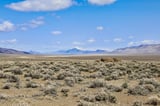
Newser LLC • Dec 4, 2025
In Remote Nevada, a Sign the Geothermal 'Tide Has Turned'