Gaza Ceasefire Phase Two Nears: Israel, Hamas Disarmament Talks Advance Amid Global Diplomatic Efforts
December 7, 2025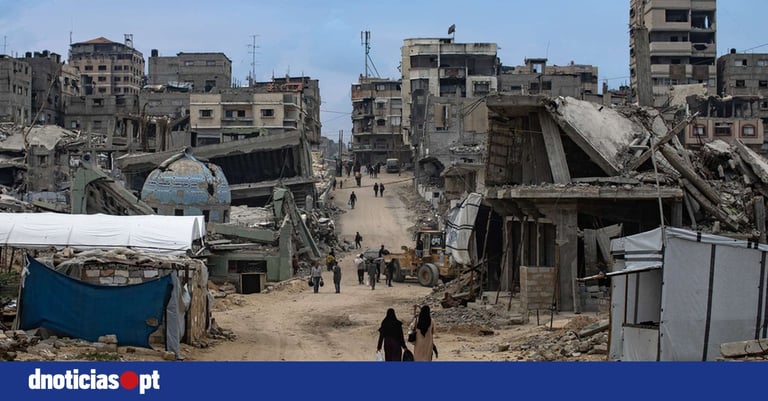

The second phase of the Gaza ceasefire is on the horizon, with Israel and Hamas reportedly close to disarming Hamas and demilitarizing Gaza by the end of the month.
Germany’s leadership backs the plan, with Chancellor Merz pledging aid for Gaza’s reconstruction and insisting Hamas must not play any role, while signaling ongoing discussions with former hostages and future coordination with U.S. efforts.
Negotiations continue on the Trump-backed plan to end the Gaza war, including hostage releases and the creation of an interim technocratic Palestinian government overseen by an international board and security force.
Hamas abroad reiterates its stance against trusteeship or external mandates, framing its weapons as the resistance project and a legitimate defense of Palestinians, while insisting on self-determination.
There is skepticism about the scope of an international force, with some arguing for limited authority inside Palestinian territories, though a UN-backed presence near Gaza’s borders could monitor the ceasefire and report violations.
Germany has no immediate plans for new sanctions or a renewed arms export ban, noting that the temporary ban was lifted when the ceasefire began.
Hamas leaders insist they will not disarm until a Palestinian state is established and oppose any international stabilization force inside Gaza, preferring border monitoring instead.
Al-Hayya rejects a UN-proposed multinational stabilization force with powers inside Gaza, advocating only border monitoring and opposing an mandate that would allow internal operations.
Hamas tells U.S. envoys that its weapons are tied to ending the occupation, with discussions ongoing about arms disposition contingent on the establishment of an independent Palestinian state.
Germany has long supported Israel and recently paused some arms exports, lifting a temporary ban as the ceasefire began.
Doha Forum participants from Qatar, Egypt, and Norway warned the ceasefire is at risk and that next-phase negotiations are at a critical juncture, calling the pause a halt rather than a settlement.
Violence persists during the ceasefire, with Gaza’s Health Ministry reporting hundreds of Palestinian deaths and ongoing Israeli operations near the Yellow Line.
The broader conflict traces back to Hamas’s 2023 attacks and hostage-taking, which remain central to the ceasefire’s fragility.
Merz reaffirmed Germany’s commitment to Israel’s security and a two-state solution, stating that Palestinian state recognition would follow progress toward that framework.
While optimistic about lasting peace, Merz noted there are no plans for Netanyahu to visit Germany soon and that Germany would not renew a broad weapons export ban, tying Palestinian statehood recognition to progress toward peace.
In talks with Abbas, Merz urged urgent Palestinian reforms to enable constructive Gaza engagement and denounced settler violence in the West Bank.
There remains uncertainty over the international security force’s mandate, as Israel seeks strong disarmament and Hamas seeks assurances it won’t operate inside Gaza.
Netanyahu opposes a fully sovereign Palestinian state next to Israel and cautions that such a move could empower Hamas, pushing for a broader peace with Arab neighbors within a secure arrangement.
Israel’s position on statehood remains cautious, arguing a Palestinian state could threaten Israeli security under the current framework.
Netanyahu has not planned a visit to Germany due to an ICC arrest warrant related to the Gaza war, though he has expressed interest in traveling abroad.
Analysts note that Netanyahu and Merz’s remarks fit within a broader US-led effort to stabilize Gaza through a framework that links Palestinian independence to demilitarization and deradicalization.
The reporting frames these exchanges as part of ongoing diplomacy aimed at stabilizing Gaza and advancing a pause-to-peace process.
The US-led second phase envisions international participation and possible border-area deployments, but Hamas remains opposed to internal stabilization forces.
Germany’s decision to curb certain arms exports to Israel has shifted again as the Gaza truce progressed, with officials re-evaluating sanctions.
Hamas signaled openness to handing over arms to a Palestinian authority if the occupation ends in Gaza, signaling a potential shift from previous positions.
On December 6, Hamas reiterated willingness to surrender weapons to a Palestinian authority once the occupation ends in Gaza.
Germany, under Merz, is contributing to the effort by sending officers and diplomats to a U.S.-led coordination center in southern Israel and by providing humanitarian aid to Gaza.
Merz’s visit and statements underscore Germany’s alignment with Israel, while Berlin remains mindful of humanitarian impacts in Gaza.
Merz plans to visit the Yad Vashem memorial, highlighting Germany’s historical responsibility and the close alliance with Israel amid debates over Gaza and related issues.
The visit with Netanyahu and former hostages highlighted Berlin’s support, even as it navigates humanitarian concerns in Gaza and West Bank tensions.
Both sides face accusations of ceasing the ceasefire violations, complicating the execution of the Trump plan to end the war that began with Hamas’s 2023 attacks.
The conflict’s origins trace back to Hamas’s 2023 assault, marking one of the deadliest chapters in the region’s history and fueling the current cycle of violence.
Weapon management is a central component of the U.S.-brokered ceasefire framework, with disarmament to be supervised by independent monitors.
While violence has eased since the October truce, hundreds of Palestinians have died and dozens of hostages and detainees have been exchanged in ongoing negotiations.
Hamas officials signal openness to options for weapons, including freezing, storing, or laying down arms under Palestinian guarantees, without using them.
Merz argues that a viable two-state solution will require genuine negotiations, despite periodic ceasefire setbacks.
Israel seeks full disarmament and the return of a missing Israeli soldier’s body before entering the second phase, while Hamas commits to house-to-house sweeps in Gaza City pending those results.
Netanyahu cautions that the second phase will be difficult, signaling ongoing, complex negotiations and implementation challenges.
Netanyahu indicated the first phase is nearly complete and that crucial talks at month’s end will determine if the second phase can proceed.
Summary based on 11 sources
Get a daily email with more World News stories
Sources


AP News • Dec 7, 2025
Netanyahu: Israel and Hamas to enter ceasefire's second phase soon | AP News
ynetglobal • Dec 7, 2025
Hamas leader rejects disarmament, resists US stabilization plan for Gaza
The West Australian • Dec 7, 2025
Israeli PM says second phase of Gaza Strip plan 'close'