Congress MP Proposes Bill to Amend Anti-Defection Law, Boost Legislative Independence
December 7, 2025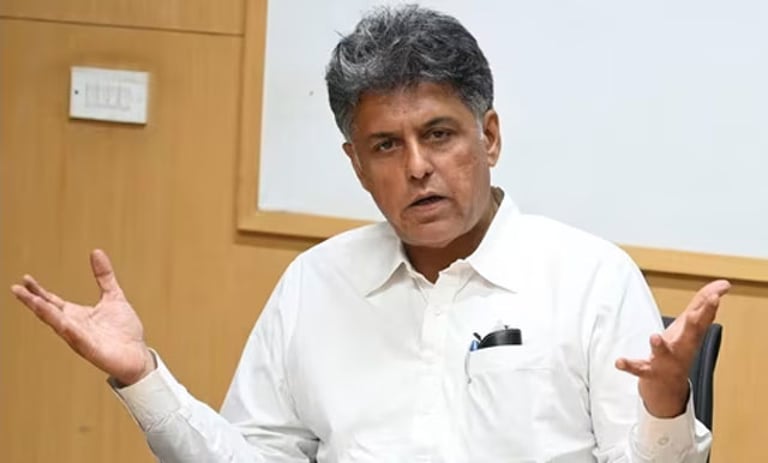

Substantial amendments to the Anti-Defection Law would grant greater personal discretion in voting and decision-making within Parliament.
Historically, whips lacked coercive power from 1950 to 1985, and defections rose after the Aaya Ram Gaya Ram incident, with the anti-defection law not effectively curbing defections.
Tewari argues that defections intensified post-2014 and that the current framework has not stopped party-driven voting, calling for reform.
The reform debate foregrounds strengthening elector primacy and accountability in the legislature as part of improving democratic governance.
Proponents argue democracy should empower electors and reassert conscience, constituency, and common sense in the legislature, criticizing rushed laws with pre-decided outcomes.
The proposal emerges amid internal Congress dissent and electoral setbacks, though Tewari maintains an independent stance and aligns with broader governance reform themes.
Tewari is a senior Congress MP with a history of dissent from party lines and occasional alignment with the G23 faction, adding context to his reform push.
The plan includes establishing judicial tribunals to handle 10th Schedule matters and potentially similar tribunals for state legislatures, to improve fair adjudication and reduce coercive party directives.
The bill would grant MPs a right to appeal a cessation of membership to the Speaker within 15 days, with the appeal decided within 60 days.
There would be an expedited appeal mechanism, providing a 15-day window and a 60-day decision timeline for membership cessation challenges.
The overall framework includes an appeal to the Speaker/Chair and a structured timeline for disposal of the case.
The proposal envisions a judicial tribunal outside Parliament for 10th Schedule matters, with higher court review, and similar tribunals for state legislatures that could reach the Supreme Court.
Advocates argue that Parliament’s current practice relies on scripted statements and pro forma discussions, limiting substantive debate and MPs’ active participation.
Private member’s bills rarely succeed, but Tewari argues this reform is essential to restore the essence of parliamentary democracy in India.
Overall, the bill aims to reform Westminster-style party discipline to foster genuine lawmaking, acknowledging private member’s bills historically have low passage rates.
The move reflects ongoing internal Congress debates and dissent, with private member’s bills serving as a vehicle to push for democratic primacy of elected representatives.
The bill is framed as promoting legislative independence without destabilizing government, addressing concerns about quorum and lack of genuine parliamentary participation.
A private member’s bill introduced in the Lok Sabha by Congress MP Manish Tewari seeks to amend the Anti-Defection Law, allowing MPs to vote independently on most bills and motions while preserving government stability.
The bill envisions the Speaker or Chairman declaring limited whips and informing members that defiance could lead to automatic cessation of membership, with a defined appeal process.
Tewari argues the current whip system amounts to ‘whip-driven tyranny,’ reducing elected representatives to numbers and hindering meaningful democratic lawmaking.
He emphasizes concerns that much legislative processing happens in the bureaucracy rather than through elected representatives, limiting parliamentary debate.
The reform is presented as necessary to revive conscientious and authentic legislative practices and strengthen democratic accountability in the legislative process.
Historical context cites the 1967 Aaya Ram Gaya Ram defections and the strengthening of anti-defection rules in the 1980s, noting defections have evolved up to the present.
Tewari references 1967’s Aaya Ram Gaya Ram to discuss anti-defection laws, describing today’s defections as a “mega mall activity” and arguing the law has not curbed defections effectively.
He traces the problem back to the 1967 incident and notes that defections began early but the anti-defection framework has failed to stop them.
Tewari’s stance aligns with his broader pattern of independent positions on national issues, often challenging party lines alongside figures like Shashi Tharoor.
The discussion centers on whether voters or party whips hold primacy in a democracy, highlighting tensions between representation and party discipline.
Summary based on 12 sources
Get a daily email with more World News stories
Sources

The Times Of India • Dec 7, 2025
Congress MP Manish Tewari brings bill in Lok Sabha seeking to let MPs take their own voting line