Federal Court Challenge Targets Melbourne Police's Controversial Stop-and-Search Powers
December 8, 2025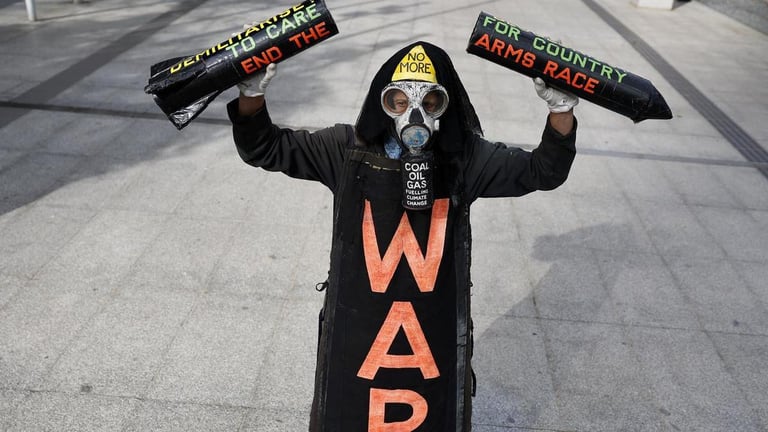

The challenge argues that orders to remove face coverings at protests infringe rights to peaceful assembly, privacy, non-discrimination, and freedom of expression.
The policy allows searches of children under 18 and people with intellectual impairments without a parent or guardian present in urgent cases, raising human rights concerns.
Plaintiffs contend the expanded powers could lead to harassment of Indigenous people and deter participation in events like Melbourne’s Invasion Day protest, seeking a ruling that the designation is invalid and that facial coverings are unconstitutional.
The plaintiffs argue the designation’s legal threshold was not met and that it breaches Victoria’s Charter of Human Rights and Responsibilities.
The designation, active from November 30 for six months, enables searches including removal of outer clothing, pocket items, and use of electronic wand searches or pat-downs.
A Federal Court challenge has been filed against Victoria Police’s six-month designated-area powers in Melbourne, arguing the scope is invalid and violates human rights protections.
The challenge targets the designation of Melbourne’s CBD and surrounding areas as a 'designated area' where police can stop and search people or vehicles without warrants.
Plaintiffs Tarneen Onus Browne, an Indigenous activist, and Benny Zable, an environmental activist known for his Greedozer costume, are represented by the Human Rights Law Centre.
Zable notes that the powers heighten police ability to use force on individuals wearing masks or costumes, with his own Greedozer costume having faced compliance requests in the CBD.
Victoria Police defends the powers as necessary to remove weapons and emphasizes zero tolerance for racial profiling, noting wand searches are a less invasive option.
The powers extend beyond prior 12-hour limits to six months, with later amendments expanding to major transit points and electronic search notices, with some changes deemed partly incompatible with the charter.
The designated area covers the CBD, Docklands, Southbank, and parts of East and South Melbourne from late November 2025 to late May 2026, allowing stop-and-search without warrant or reasonable grounds, including removal of face coverings and possible orders to move on.
The challenge seeks a court ruling before the Invasion Day rally on January 26, arguing the designation breaches rights to peaceful assembly, privacy, freedom of expression, and freedom from arbitrary arrest under the Victorian Charter.
The article outlines the legal challenge to Melbourne’s new police search powers and their potential impact on protest rights and public safety during high-profile events.
Summary based on 2 sources