Study Links Social Media Use to Inattention in Children, Urges Policy Change
December 8, 2025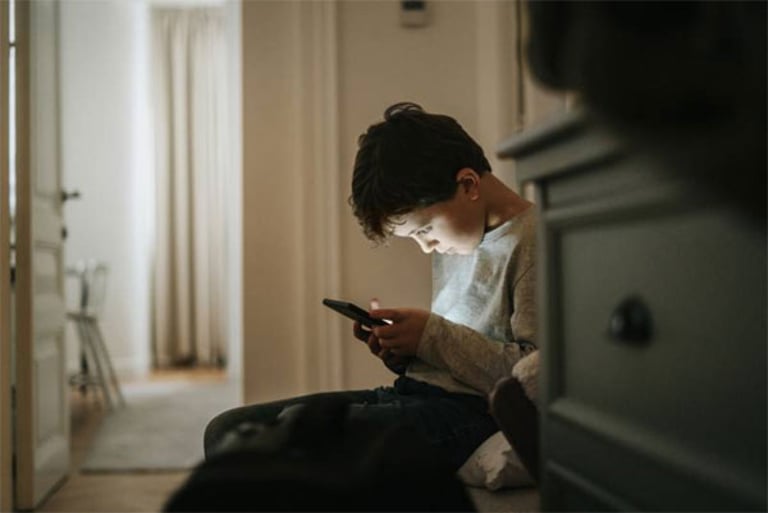

A longitudinal study of 8,324 children aged 9–14 over four years finds that spending more than 30 minutes daily on social media is linked to a gradual rise in inattention symptoms, potentially reducing concentration.
The link between social media use and inattention appears independent of socioeconomic status or genetic ADHD predisposition, suggesting a possible direct effect of digital engagement on attention.
While the individual effect size is small, the researchers say the combined impact on a population level could contribute to higher ADHD diagnosis rates seen in recent years.
The findings are published in Pediatrics Open Science to inform parents and policymakers about healthy digital consumption and implications for cognitive development.
The study originates from Karolinska Institute in Sweden and Oregon Health & Science University in the U.S., with authors urging informed decisions by caregivers and policymakers.
Publication and journal: Pediatrics Open Science.
Researchers plan to follow participants beyond age 14 to determine whether the association with inattention persists over time.
Funding for the study comes from the Swedish Research Council and the Masonic Home for Children in Stockholm Foundation.
A follow-up study will assess whether the observed association endures after adolescence, with ongoing monitoring in the Pediatrics Open Science program.
Experts advocate for stricter age verification and clearer guidelines for tech companies as use of social media grows among children.
The platforms studied include Instagram, Snapchat, TikTok, Facebook, X (formerly Twitter), and Messenger, with the association persisting despite many apps targeting under-13 users.
Key researchers include Torkel Klingberg and Samson Nivins; the study, titled “Digital media, Genetics and Risk for ADHD Symptoms in Children – a Longitudinal Study,” was published on December 8, 2025.
Not all children who use social media develop concentration issues; the authors call for policy and design changes to support healthy digital consumption and cognitive development.
The findings do not imply that every social media user will have attention problems, but highlight early and rising use among pre-adolescents, including apps with under-13 age restrictions.
The study did not find an increase in hyperactive/impulsive behaviors, indicating the effect is specific to attentional concentration.
Summary based on 8 sources
Get a daily email with more Science stories
Sources

The Guardian • Dec 8, 2025
Social media use damages children’s ability to focus, say researchers
The Independent • Dec 8, 2025
Social media damages children’s attention spans in a way TV and video games don’t, study finds
Medical Xpress • Dec 8, 2025
Social media use linked to gradual decline in children's attention span
Mirage News • Dec 8, 2025
Using Social Media May Impair Children's Attention