DeSantis Labels CAIR as Terrorist Organization, CAIR Plans Lawsuit Amid Legal and Civil Rights Concerns
December 9, 2025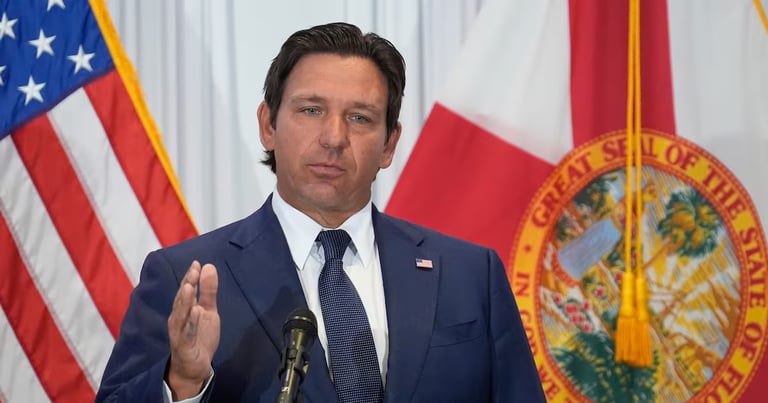

Public statements were made at events in Tampa and North Miami Beach, with DeSantis welcoming the lawsuit and CAIR’s response.
WINK News sought clarification from the Florida Department of Law Enforcement regarding directives tied to the designation.
Local outlets and CAIR’s ongoing legal actions in other jurisdictions against similar proclamations are referenced.
Local officials and lawmakers criticized the designation as inflammatory rhetoric that could destabilize communities and chill civic participation.
Context includes a prior CAIR case related to a Florida teenager’s detention in Israel and international considerations shaping political rhetoric.
The Florida action is viewed alongside Texas’ similar move, with discussions about civil liberties and advocacy implications.
Experts warn that state designations could chill free speech and civil rights, even though designation of FTOs is typically a federal prerogative.
The piece notes a spike in hate crimes in Travis County and incidents affecting local mosques, framing the security discourse around community impact.
CAIR emphasizes readiness to respond incrementally and reiterates its mission to defend civil rights and promote understanding of Islam.
Reactions from state and national actors frame the executive order as aligning with national security concerns and ongoing legal debates about legality.
State Rep. Vikki Goodwin argues that labeling advocacy groups as terrorists undermines civil rights and safe civic engagement.
The announcement follows CAIR’s October advocacy on a Palestinian-American case and reflects Florida’s broader tensions over foreign policy narratives.
Florida Governor DeSantis designated the Council on American-Islamic Relations (CAIR) and the Muslim Brotherhood as foreign terrorist organizations in an executive order, triggering legal challenges from CAIR’s Florida chapter and other critics.
CAIR vowed to continue civil rights work and plans to sue in response to the designation, alleging defamation and violations of constitutional rights.
Context notes CAIR is the nation’s largest Muslim civil rights group with about 25 chapters, and has previously been named an unindicted co-conspirator in a terrorism-financing case involving the Holy Land Foundation.
The report includes quotes from DeSantis and CAIR members, notes prior actions and public reactions, and flags upcoming political activity during the January legislative session.
Analysts note a rise in Islamophobia and anti-Muslim rhetoric, with some lawmakers proposing anti-Sharia measures and related incidents shaping public perception.
A correction clarifies Trump’s executive action and notes ongoing debates about the authority to designate foreign terrorist entities.
Critics warn the move could set a dangerous precedent by stripping rights through official proclamations and bypassing due process.
A DOJ investigation into Epic City was closed with no evidence of Fair Housing Act violations, though state investigations continue.
The article references CAIR’s letter to DeSantis and related coverage, and provides public statements linked to the designation.
Public records and social media posts announcing the designation are cited in the piece.
The narrative touches on broader political dynamics involving former President Trump, immigration policy, and CAIR’s stance on pro-Palestinian protests and Somali American remarks.
Texas lawmakers framed similar measures as protections against foreign adversaries and threats to infrastructure, highlighting penalties and security rationale.
State Attorney General James Uthmeier and the governor indicated readiness to pursue the lawsuit and use discovery to obtain information.
The report signals ongoing developments and potential additional legal actions as the case unfolds.
The Associated Press contributed to the report.
Quotations from political figures include Senate President Ben Albritton supporting the governor’s AI agenda and House Minority Leader Fentrice Driskell emphasizing worker protections and retraining.
The piece frames potential implications for civil rights groups and broader political ramifications, without detailing all specifics in the excerpt.
The coverage places the move within a climate of heightened scrutiny of Muslim communities following recent security-focused discourse.
An update note indicates the story was revised to add more detail about the governor’s allegations against the organizations.
A Hill newspaper report is cited and CAIR’s broader civil rights advocacy is noted as context for the backlash.
Reported debates at state and federal levels about who should lead AI regulation are mentioned, alongside related electoral developments in Central Florida and the Tampa Bay area.
There had been no federal comment on DeSantis’s designation, with calls for a measured response to distinctions between terrorism designations and domestic status.
Florida Attorney General James Uthmeier praised the order on social media, signaling administrative support.
Critics argue the designation bypasses due process and allows punitive measures based on allegations rather than convictions.
Florida lawmakers are preparing for AI Week, exploring policy like an AI bill of rights, parental controls, and protections for personal name, image, and likeness.
CAIR’s Mitchell is quoted while campus harassment cases against Muslims are referenced to illustrate Islamophobia in play.
ACLU of Texas contends the law violates First Amendment and Equal Protection by tying participation in the economy to nationality or political associations.
CAIR’s long history of civil liberties litigation since 1994 is noted, with CAIR viewing DeSantis’s move as publicity-driven despite vowing to continue advocacy.
NTD contacted both the Muslim Brotherhood and CAIR for comment.
The piece notes that the Muslim Brotherhood lacks a single centralized leadership and that federal designation processes are ongoing, with various actors pushing for designation.
CAIR has a record of civil liberties litigation and advocacy, including Supreme Court involvement, defending free speech and Palestinian rights while opposing violence.
DeSantis defends the designation as warranted, anticipates January legislative action, welcomes the lawsuit, and says the state has the right to seek information through discovery.
He frames the move as a long-overdue action and a potential prelude to statutory codification, aligning with federal directions and state actions.
The governor asserts the designation as a start, with potential further legislation during the session and ongoing alignment with federal directions.
Security analyst notes that foreign terrorist organization designations are typically federal, suggesting the Florida action diverges from standard practice.
CAIR has historically advocated for individuals on watchlists and criticized immigration and anti-Palestinian policies under previous administrations.
Legal observers say terror designations are usually federal prerogatives, making state actions uncharted territory.
Summary based on 44 sources
Get a daily email with more World News stories
Sources
The Guardian • Dec 9, 2025
Florida declares US Muslim civil rights group a foreign terrorist organization
Al Jazeera • Dec 9, 2025
Muslim group CAIR to sue Florida Governor Ron DeSantis over ‘terror’ label