Bundestag Debates 2025: Key Candidates Face Public Amid Munich Attack Concerns
February 13, 2025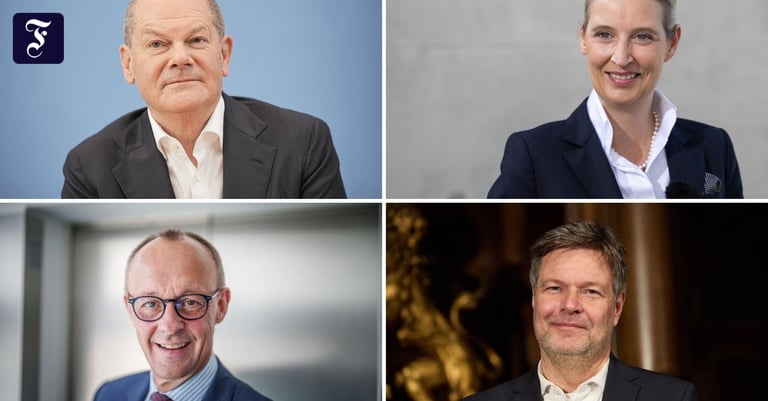

The upcoming TV debates for the 2025 Bundestag elections will feature key candidates including Olaf Scholz, Friedrich Merz, Robert Habeck, and Alice Weidel.
On February 17 at 8:15 PM, ARD will host a 'Wahlarena' where these candidates will respond to public questions, moderated by Jessy Wellmer and Louis Klamroth.
Major topics for discussion in the debates include the ongoing Ukraine conflict, migration, inflation, and economic challenges, reflecting pressing national concerns.
The debates are taking place against the backdrop of a recent attack in Munich, where a vehicle driven by an Afghan man injured at least 28 people, raising public safety concerns.
Candidates expressed outrage over the Munich incident, with Vice Chancellor Habeck condemning it as 'a senseless act' and Scholz promising strong repercussions for the perpetrator.
Scholz faced tough questions regarding public safety in light of the Munich attack, as citizens voiced their fears about ongoing violence.
Habeck struggled to connect with a disillusioned voter who felt that current political options only offered 'misery or poverty', highlighting a disconnect between promises and voter expectations.
Initial reactions from the debates suggested that Friedrich Merz did not fare well, with critics pointing out his inconsistent stance on Ukraine policy.
Despite facing scrutiny over allegations of racism related to comments made about a CDU senator, Scholz remains optimistic about his re-election chances, estimating them at 60%.
Current polls indicate that the CDU/CSU coalition leads significantly, with the SPD and Greens struggling to gain traction, while the AfD stands in second place.
Criticism has arisen over the debate formats, particularly the shift from direct duels to larger panel discussions, which some politicians argue dilutes competition.
The debate format emphasizes direct dialogue with citizens, inviting criticism of party representatives while discouraging direct candidate debates among themselves.
Summary based on 13 sources