Record 18 Million Voters Set to Shape Australia's Federal Election Amid Demographic Shifts
February 21, 2025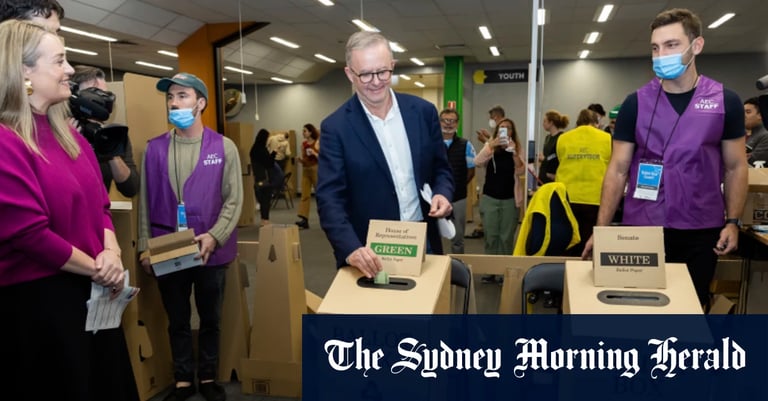

Changes in electoral representation have seen Victoria lose a seat and New South Wales' historical North Sydney seat redrawn, while Western Australia gained an additional seat.
Both major political parties are expected to concentrate their campaign efforts on Western Australia, which has seen population increases linked to its thriving mining economy.
The political landscape has evolved since Anthony Albanese's victory over Scott Morrison in 2022, with an aging voter base and a concentration of voters in Western Australia.
The electorate is aging, with a growing proportion of voters over 65, particularly in regions like Hinkler, where older constituents now represent over 37% of the electorate.
Gender dynamics are anticipated to play a significant role in the election, particularly with the presence of female voters in teal independent-held seats, creating notable gender gaps in areas like Kooyong and Goldstein.
Over 1 million households have been affected by changes in electoral boundaries, with significant relocations occurring across Victoria, Western Australia, and New South Wales.
The upcoming federal election in Australia is set to feature a record 18 million eligible voters, a figure driven by significant population growth and alterations in electoral boundaries.
Since the last election, the electoral roll has expanded by 710,000, with notable increases among young voters and new citizens, despite some losses due to deaths and departures.
A trend toward larger electorates is evident, with the number of electorates containing over 130,000 potential voters rising from three to at least thirteen.
Longman has emerged as the most populous seat, boasting 141,000 eligible voters, reflecting a shift in electoral demographics since 2016.
Summary based on 1 source
Get a daily email with more Australia News stories
Source

The Sydney Morning Herald • Feb 21, 2025
The voters Albanese and Dutton must woo in 2025