RBA Cuts Interest Rate Amid Confusion Over Employment and Inflation Strategy
February 24, 2025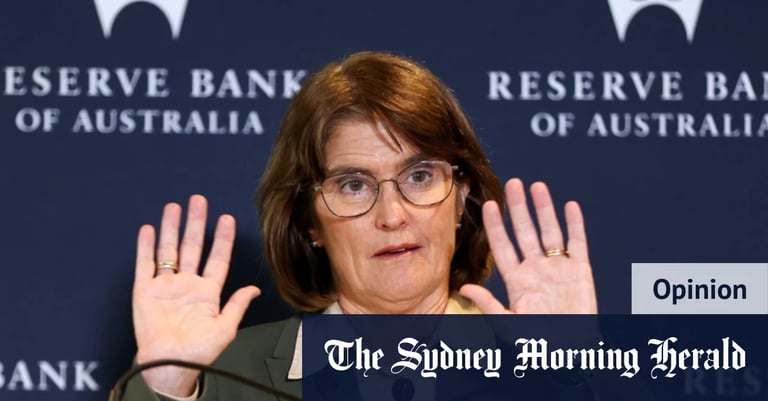

This decision reflects the RBA's confusion regarding its monetary policy amid an unexpected return to near full employment.
Currently, unemployment in Australia stands at 4.1 percent, only slightly above the 3.5 percent low achieved following pandemic stimulus measures, indicating a tight labor market.
The RBA is now prioritizing full employment alongside inflation control, moving away from its previous focus on the non-accelerating inflation rate of unemployment (NAIRU).
Recently, the Reserve Bank of Australia (RBA) reduced the official interest rate by 0.25 percentage points to 4.10 percent, marking a shift after 15 months of stability at 4.35 percent.
Critics argue that the RBA's economic models may be outdated, as they do not adequately reflect significant changes in the labor market and wage growth patterns over the past decade.
Despite low consumer spending and weak business investment, the RBA remains concerned about potential wage inflation driven by the tight labor market.
This evolving economic landscape is a result of the recovery following extensive monetary stimulus during the pandemic, complicating the RBA's task of managing inflation and employment.
The RBA's leadership, including Governor Michele Bullock, has acknowledged that delays in rate increases during 2022 have added complexity to the current economic situation.
Despite pressure from the government and economists for further rate cuts, the RBA remains cautious about inflation and has indicated it may resume rate hikes if necessary.
Moreover, while the RBA maintains its independence from the government, it is not immune to political pressures, especially as economic performance can significantly influence political outcomes.
Summary based on 1 source
Get a daily email with more Australia News stories
Source
The Sydney Morning Herald • Feb 23, 2025
RBA is lost in the frightening territory of full employment