Breakthrough Bone Marrow Transplant Offers Hope for Sickle Cell Cure at Lower Cost
February 25, 2025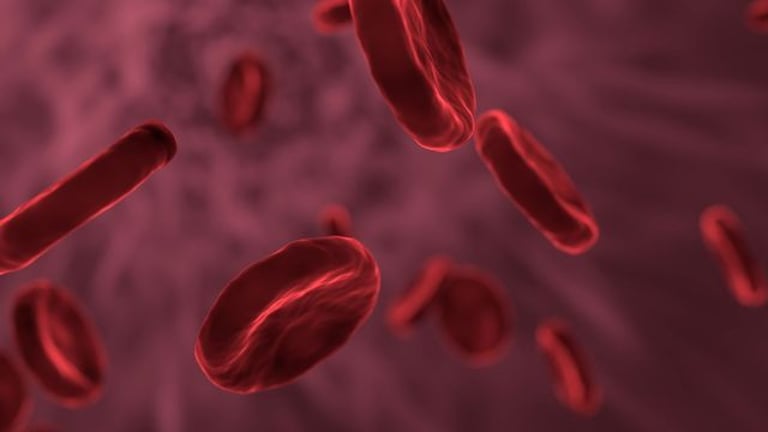

A novel bone marrow transplant method developed at the Johns Hopkins Kimmel Cancer Center has shown high success rates in curing adults with sickle cell disease.
The trial involved 42 participants across multiple cancer centers in the U.S. and London, achieving a remarkable 95% survival rate and 88% of patients considered cured two years post-transplant.
This transplant procedure, known as reduced-intensity haploidentical bone marrow transplantation, utilizes bone marrow from a 'half-matched' donor, such as a family member.
Dr. Richard Jones, a key investigator, emphasized that the transplant's success rates are comparable or superior to those of gene therapy, which is often more costly and less accessible.
The median cost for the transplant is approximately $467,747, significantly lower than the estimated $2 million to $3 million for gene therapy.
Participants in the trial had a median age of 22, predominantly Black (92%), and experienced minimal serious side effects, with only two deaths reported in the first year.
Patients underwent low-dose chemotherapy and total body irradiation before the transplant, followed by treatment with cyclophosphamide to prevent complications.
The trial has dispelled common misconceptions about bone marrow transplants for sickle cell disease, including the belief that a perfectly matched donor is necessary and that the procedure carries high mortality risks.
The study was supported by prestigious institutions, including the National Institutes of Health and the Blood and Marrow Transplant Clinical Trials Network, involving numerous medical centers.
The findings will be published in the February 25, 2025 issue of The New England Journal of Medicine Evidence, following earlier presentations at the American Society of Hematology meeting in December 2023.
Sickle cell disease affects approximately 100,000 Americans, primarily within the Black community, leading to painful complications due to misshaped red blood cells.
The transplant method has demonstrated very high engraftment rates and cure rates, comparable or superior to those seen with gene therapy.
Summary based on 4 sources
Get a daily email with more Science stories
Sources

ScienceDaily • Feb 25, 2025
Novel bone marrow transplant can cure sickle cell disease, study suggests
Johns Hopkins Medicine • Feb 25, 2025
Novel Bone Marrow Transplant Can Cure Sickle Cell Disease
Medical Xpress • Feb 25, 2025
Novel bone marrow transplant shows high success in curing sickle cell disease
Technology Networks • Feb 25, 2025
Novel Bone Marrow Transplant Can Cure Sickle Cell Disease