Blood Test Predicts Risk of Major Diseases Decades in Advance, Study Finds
February 26, 2025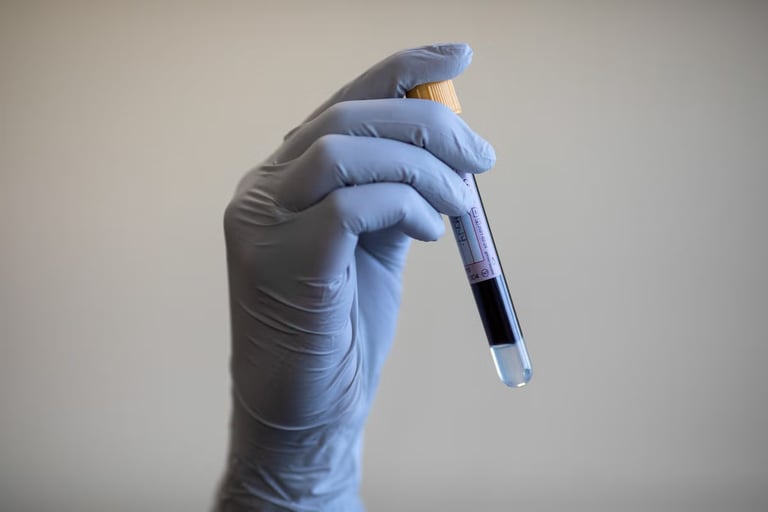

A recent study published in the journal Lancet Digital Health examined 6,235 participants aged 45 to 69 from the British Whitehall II study.
The research suggests that a simple blood test can assess organ ageing rates and predict the risk of major diseases, including cancer and dementia, decades in advance.
Interestingly, faster ageing of the immune system was associated with a higher risk of dementia, contrary to expectations that brain ageing would be the primary factor.
This finding aligns with previous research indicating a connection between severe infections and later dementia risk, highlighting the role of inflammation in neurodegenerative diseases.
Rapid heart ageing was linked to a significantly increased risk of heart diseases, while accelerated lung ageing correlated with respiratory infections, COPD, and lung cancer.
Accelerated kidney ageing was linked to an increased likelihood of developing vascular disease, type 2 diabetes, and liver diseases.
The biological ageing of nearly all organs was found to predict a higher risk of kidney disease, suggesting interconnections between organ health.
The study highlights the potential of proteomic tests to measure thousands of proteins from a single blood sample, aiding in early disease prevention and tailored health interventions.
After 20 years, many participants had been diagnosed with at least one ageing-related disease, underscoring the importance of understanding organ health.
Researchers from University College London found that accelerated organ ageing can forecast the risk of 30 diseases over a 20-year period in initially healthy individuals.
Lead author Professor Mika Kivimaki emphasized the need for proactive health management, as monitoring organ health could signal future health risks.
The study revealed that different organs can age at distinct rates within the same individual, indicating that accelerated ageing in one organ can impair others.
Summary based on 2 sources
Get a daily email with more Science stories
Sources
The Independent • Feb 26, 2025
Blood test ‘could predict risk of major diseases such as cancer, dementia’
News Shopper • Feb 25, 2025
Simple blood test ‘could predict risk of major diseases decades later’