Innovative Self-Healing Roads Promise to Slash UK Pothole Costs by 30%
February 3, 2025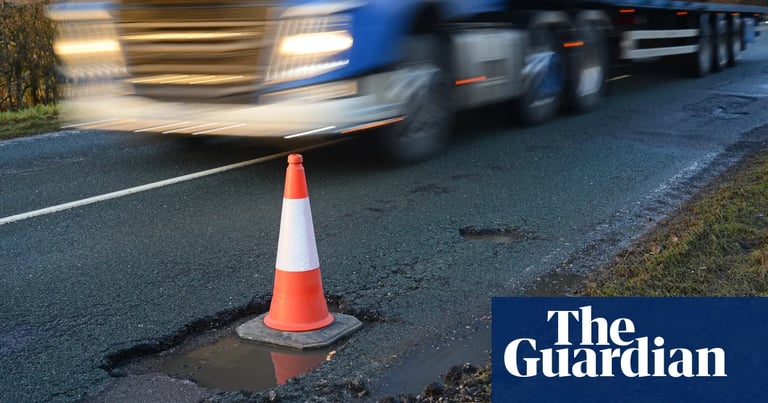


This self-healing material incorporates tiny porous plant spores soaked in recycled oils; when compressed, these spores release oil that effectively seals cracks.
Potholes typically begin as small cracks that worsen when water seeps into them, a process exacerbated by freezing and thawing cycles.
Researchers have developed an innovative self-healing bitumen that automatically repairs cracks in roads, significantly reducing the formation of potholes.
According to Dr. Jose Norambuena-Contreras from Swansea University, this material can mend small fractures within an hour and extend the lifespan of road surfaces by up to 30%.
The self-healing bitumen could be ready for implementation on British roads within a couple of years, promising to alleviate pothole-related issues.
On average, drivers in England and Wales encounter six potholes per mile on council-controlled roads, leading to substantial repair costs.
The issue of potholes has even caught the attention of celebrities; Rod Stewart recently shared a video of himself filling in potholes to protect his sports cars, igniting discussions about road conditions in Essex.
Researchers utilized machine learning to model the behavior of the self-healing material and predict its performance on roads.
In the UK, the financial burden of potholes is significant, with £579 million spent on vehicle repairs in 2024, up from £474 million in 2023.
In response to the growing pothole crisis, the UK government has pledged £1.6 billion in 2025 to repair roads and address over 7 million potholes.
National Highways is also investing in smart road materials, aiming to enhance safety and efficiency in road maintenance through innovative technologies.
Summary based on 1 source
Get a daily email with more Science stories
Source

The Guardian • Feb 3, 2025
Farewell potholes? UK team invents self-healing road surface