French Assembly Backs Ukraine, Debates Seizing Russian Assets Amid EU Tensions
March 11, 2025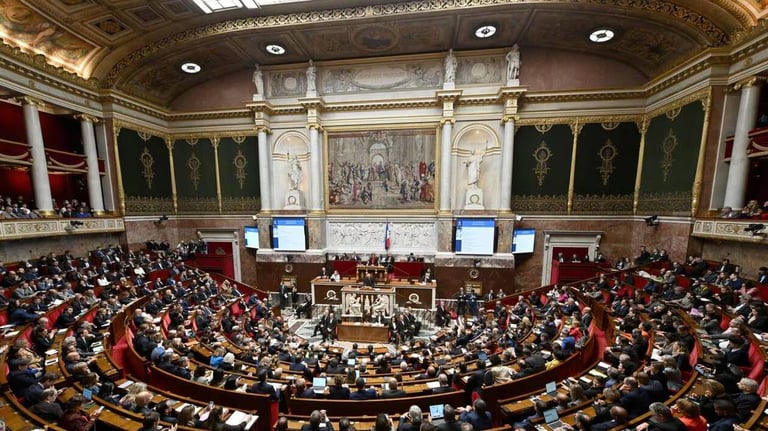

On March 12, 2025, the French National Assembly voted overwhelmingly in favor of a symbolic resolution supporting Ukraine, with 288 votes for and 54 against out of 474 registered members.
The resolution invites the European Union to use frozen Russian assets to support Ukraine's resistance and reconstruction efforts amid ongoing geopolitical tensions.
Despite the resolution's passage, the French government remains opposed to asset seizures, citing potential violations of international agreements and concerns over financial stability.
Government spokesperson Sophie Primas confirmed that while the current stance is 'no' on asset seizure, further analysis of the implications has been requested from Finance Minister Eric Lombard.
Critics within the Assembly, including some deputies from the far-right and left, argue that seizing assets could escalate hostilities and violate international law.
French Finance Minister Éric Lombard warned that any seizure of Russian assets should be carefully considered within the context of EU regulations to avoid threatening European financial stability.
Minister Benjamin Haddad acknowledged legal questions surrounding the complete seizure of Russian assets but noted it could serve as leverage in negotiations with Russia.
Historically, France has resisted seizing frozen assets, contrasting with Britain's more aggressive stance, and this resolution reflects ongoing divisions within French politics.
The topic of asset seizure has been under discussion since Russia's invasion of Ukraine in February 2022, with Ukraine consistently calling for the use of these assets for its reconstruction.
This recent push for asset seizure coincides with an open letter from 140 Nobel laureates urging European states to act in support of Ukraine.
Proponents of the resolution gathered outside the Assembly, emphasizing that 'the aggressor must pay' for their actions against Ukraine.
The debate preceding the vote lasted over six hours, reflecting deep divisions among political factions regarding Ukraine's support and the implications of asset seizure.
Summary based on 13 sources