Tinshemet Cave Discovery: Neanderthals and Early Humans Coexisted, Shared Culture 100,000 Years Ago
March 11, 2025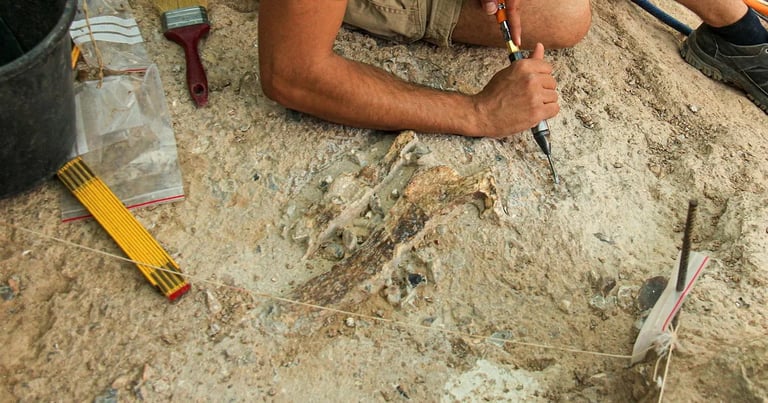

Recent archaeological findings from Tinshemet Cave in central Israel reveal that Neanderthals and early modern humans coexisted and interacted between 130,000 and 80,000 years ago.
The excavation at Tinshemet Cave began in 2017, involving researchers from Hebrew University, Tel Aviv University, and other academic institutions.
Despite slow progress due to challenging sediment conditions, researchers have uncovered significant artifacts, including human remains and advanced stone tools.
The discoveries highlight that around 100,000 years ago, these hominins shared hunting strategies, tool-making techniques, and burial rituals, indicating complex social interactions.
It is proposed that the Nesher Ramla individuals may be ancestors of the Neanderthals that later populated Europe, who disappeared from the fossil record around 40,000 years ago.
Findings indicate that these early human groups shared cultural knowledge, technologies, and social practices across four areas: stone tool production, hunting strategies, symbology, and social structures.
Burial rituals at Tinshemet likely served social purposes, helping establish group identity and strengthen community ties among early human populations.
Research indicates that the Levant served as an early crossroads for human development, influencing the evolution of both species.
Outstanding questions remain regarding the relationship between early Homo sapiens and the Nesher Ramla group, as well as human migration patterns out of Africa.
The study explores whether Neanderthals and Homo sapiens lived in harmony or rivalry, suggesting potential collaboration rather than conflict.
The study suggests earlier interactions in the Levant than previously documented, challenging the notion that the two species only competed against each other.
Prof. Chris Stringer described the Tinshemet Cave findings as potentially the most significant in the region in the last 50 years, indicating a shared cultural and social identity among early humans.
Summary based on 6 sources
Get a daily email with more Science stories
Sources
Gizmodo • Mar 11, 2025
Neanderthals and Early Humans Hung Out Way More Than We Thought, Study Finds
The Jerusalem Post • Mar 12, 2025
Archaeologists in Israel discover Homo sapiens, Neanderthals interacted
Haaretz • Mar 11, 2025
Archaeologists in Israel uncover one of the oldest burial grounds in the world
idfwo logo • Mar 11, 2025
Rare cave burials show Sapiens and Neanderthals coexisted in prehistoric Israel