Huawei Boosts AI Chip Production to Challenge U.S. Dominance Amid Sanctions
March 12, 2025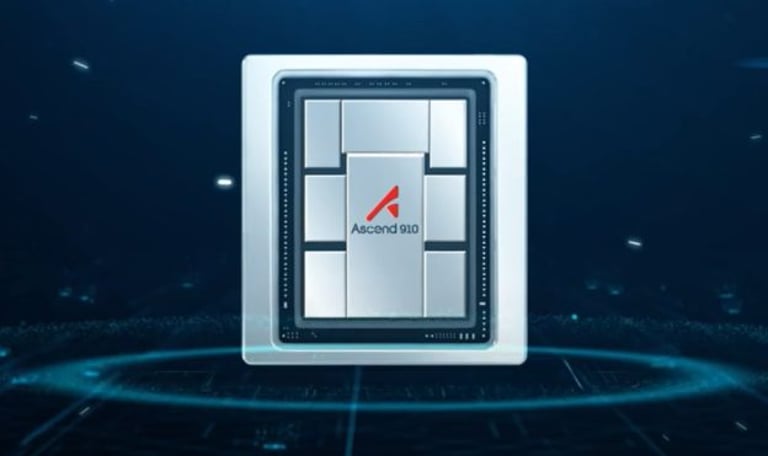

While the Ascend 910C represents a significant advancement for China's AI computing capabilities, Huawei still trails global leaders by a factor of 10 to 20 in computing power.
The emergence of models like R1 from DeepSeek indicates a growing demand for AI capabilities in China, suggesting a more competitive landscape for AI technology development.
To support this initiative, Chinese chip manufacturer SMIC plans to increase its output to 50,000 wafers per month.
Huawei is ramping up production of its Ascend 910C AI chips, aiming for 750,000 units despite ongoing U.S. restrictions.
The Ascend 910C is designed to deliver 800 TFLOP/s at FP16 performance and boasts a memory bandwidth of 3.2 TB/s, achieving nearly 80% of the performance of NVIDIA's H100.
Huawei has improved its chip production yield from 20% to nearly 40%, marking a crucial step towards making the Ascend production line profitable.
Although SMIC cannot compete with Taiwan's TSMC in advanced chip production, its collaboration with Huawei could lead to significant advancements.
Despite U.S. chipmakers leading the AI market, Chinese firms like Huawei are closing the technological gap, now lagging by only 1 to 2 years.
Ongoing U.S. efforts to tighten controls on Chinese tech firms raise concerns about Huawei's future independence and success in the semiconductor market.
Reports suggest that Huawei benefits from loopholes in U.S. sanctions and illicit chip supplies, which aid its production efforts.
The Ascend 910C has already been integrated into the DeepSeek R1 AI model and is preparing for mass production.
DeepSeek, a Chinese AI startup, is exploring alternatives to NVIDIA's GPUs due to U.S. sanctions limiting access to the latest models.
Summary based on 8 sources
Get a daily email with more Tech stories
Sources
PhoneArena • Mar 4, 2025
Big AI chip battle brewing between Nvidia and Huawei
Wccftech • Mar 12, 2025
Huawei’s Ascend 910C, China’s Best AI Chip, Is Set To Overthrow The Dominance of NVIDIA̵…
Wccftech • Mar 8, 2025
China’s Huawei Can Make ~750,000 Advanced AI Chips Despite US Sanctions, Says Report
Android Headlines • Mar 10, 2025
Huawei can produce 750k AI chips amid US trade restrictions