Ex-Tropical Cyclone Alfred Devastates Queensland, Exposes Urgent Need for Improved Cyclone Preparedness
March 14, 2025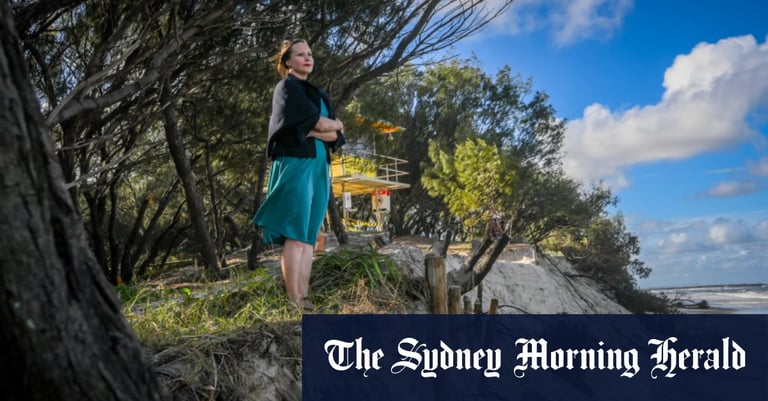


Gold Coast, the state's second-largest city, faced heavy beach erosion, power outages, fallen trees, and flooding, although it was spared the storm's full force.
Local residents have shared their experiences of the storm's impact, pointing out the inadequate preparation and resources available for severe weather events, especially in rural areas like Springbrook.
Research highlights that cities in subtropical Queensland are particularly vulnerable to cyclones, primarily due to lower building code standards compared to northern regions of Australia.
Experts stress the importance of implementing proactive measures to enhance resilience against future cyclonic weather while recovery efforts from Alfred are still ongoing.
The storm inflicted extensive damage on Binna Burra Lodge, a heritage site and eco retreat, leading to costs of at least $600,000 and delaying reconstruction efforts following a previous bushfire in 2019.
Ex-tropical cyclone Alfred has wreaked havoc in Queensland, causing over 1100 millimetres of rain, significant damage, and isolating communities while disrupting power for days.
Experts warn that the region is ill-prepared for future cyclones, which may become more frequent due to climate change, and that existing infrastructure fails to meet cyclone standards.
Climate change is recognized as the primary threat to the region's natural environment, contributing to an increase in the frequency and intensity of extreme weather events.
In the aftermath, Gold Coast Mayor Tom Tate acknowledged the economic burden posed by extreme weather and committed to addressing the costs associated with beach restoration.
The Gold Coast hinterland, home to ancient Antarctic beech trees over 2000 years old, is among the areas impacted by these severe weather events.
Summary based on 1 source
Get a daily email with more Climate change stories
Source

The Sydney Morning Herald • Mar 14, 2025
Alfred held its punches, but is Queensland prepared for a bigger blow?