Glacial Melting Crisis: Threats to Water Supply and Rising Sea Levels Spur Global Alarm
March 21, 2025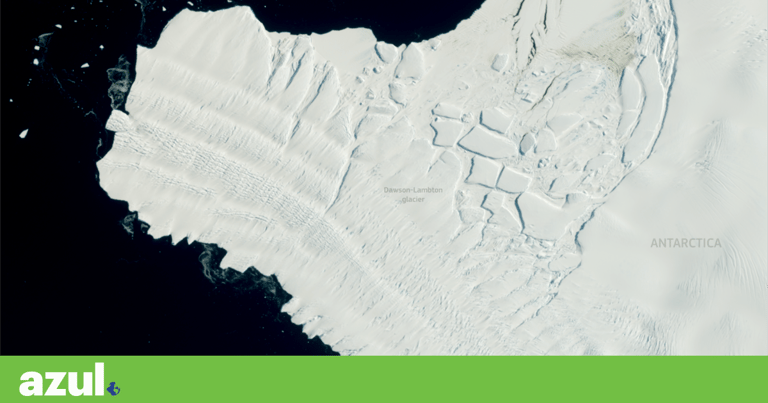


In Peru, a farmer named Luciano Lliuya is suing the German energy company RWE for its historical emissions that contribute to glacial lake flooding risks threatening his village.
Since 1975, glaciers have lost over 9,000 billion tons of ice, an amount equivalent to a block of ice the size of Germany and 25 meters thick, according to Michael Zemp, director of the World Glacier Monitoring Service.
The report advocates for strengthening water supply and wastewater systems in mountainous regions, emphasizing sustainable water management and enhanced monitoring infrastructure.
Alvaro Lario, president of IFAD, calls for greater support for mountain communities, highlighting that while mountains provide 60% of our freshwater, those living there often face food insecurity.
Researchers warn that the rapid melting of glaciers could lead to more frequent flood disasters in the short term, exacerbating the risks for communities dependent on glacial meltwater.
Key consequences of glacier retreat include reduced water availability for drinking and agriculture, increased risk of glacial lake outburst floods, and stress on local ecosystems.
The ongoing melting of glaciers worldwide, from the Arctic to the Alps, is accelerating and poses significant threats to rising sea levels and vital freshwater resources.
Developed nations are also at risk, as evidenced by the ongoing drought conditions in the Colorado River basin, which has faced challenges since 2000 due to climate change.
The annual sea level rise has more than doubled since 2006 compared to the 20th-century average, with projections indicating a rise of about 30 centimeters by the end of the century.
Currently, a quarter of the global population faces extreme water scarcity, with about half experiencing severe water shortages at times, primarily driven by increasing agricultural water consumption.
Populations in regions like northern India and parts of South America are increasingly vulnerable due to their reliance on melting glaciers for water supply, raising concerns about potential flooding disasters.
Abou Amani of UNESCO emphasizes the urgent need for better data on glaciers and a drastic reduction in greenhouse gas emissions to preserve those that are still viable.
Summary based on 19 sources
Get a daily email with more World News stories
Sources
The Guardian • Mar 21, 2025
Glacier meltdown risks food and water supply of 2 billion people, says UN
Yahoo News • Mar 21, 2025
World's glaciers are losing record ice as global temperatures climb, U.N. says
Deutsche Welle • Mar 21, 2025
How bad is glacier melt and why does it matter?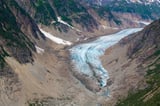
Carbon Brief • Mar 21, 2025
Glacier melt threatens water supplies for two billion people, UN warns - Carbon Brief