EU Textile Consumption Hits Record High as Fast Fashion Fuels Environmental Crisis
March 25, 2025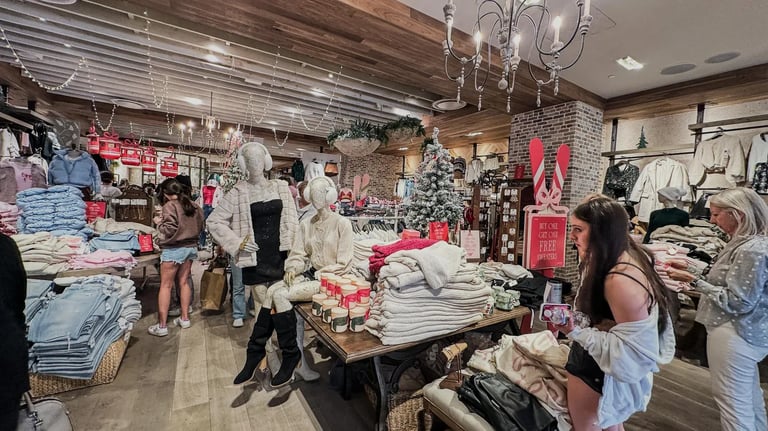


In 2022, EU citizens reached a record high in textile consumption, averaging 19 kilograms of clothing, shoes, and textiles per person, according to the European Environment Agency (EEA).
This increase from 17 kilograms in 2019 highlights a troubling trend in textile consumption, which poses significant environmental concerns, including excessive water usage and pollution, as textiles account for 20% of global water pollution.
The EEA emphasizes the urgent need for policy, industry, and consumer changes to shift away from fast fashion and towards the production of durable textiles that can be reused, repaired, and recycled.
Fast Fashion, characterized by rapid production and low prices, has gained popularity, particularly through mobile apps, but it compromises quality, working conditions, and environmental standards.
Major European retailers like Primark, H&M, and Zalando profit significantly from this exploitative model, which fails to provide fair wages or adequate environmental protections.
In 2022, the EU generated approximately 6.94 million tons of textile waste, averaging over 16 kilograms per person, with a staggering 85% of this waste not being properly recycled.
Only 15% of textile waste was collected separately in 2022, with the remainder ending up in landfills or incineration, hindering reuse and recycling efforts.
New EU legislation, effective January 2025, will prohibit the disposal of textiles in general waste, aiming to improve recycling rates and encourage better waste management practices.
The upcoming Eco-design Regulation, effective from July 2024, mandates that only recyclable products can enter the European market, addressing the issue of poorly recyclable fibers.
Finding comprehensive EU solutions to mitigate the negative impacts of Fast Fashion is essential to prevent countries without regulations from becoming loopholes.
The production process for Fast Fashion consumes vast amounts of water and resources, leading to unsustainable practices that exacerbate environmental issues.
A shift towards a circular economy in textiles could enhance the competitiveness of the EU, suggesting that sustainable practices are not only necessary but also beneficial for the economy.
Summary based on 5 sources
Get a daily email with more World News stories
Sources
EEA Logo • Mar 26, 2025
Consumption of clothing, footwear, other textiles in the EU reaches new record high