Germany's Bold Defense Spending Shift: Balancing Security Needs and Fiscal Responsibility
March 5, 2025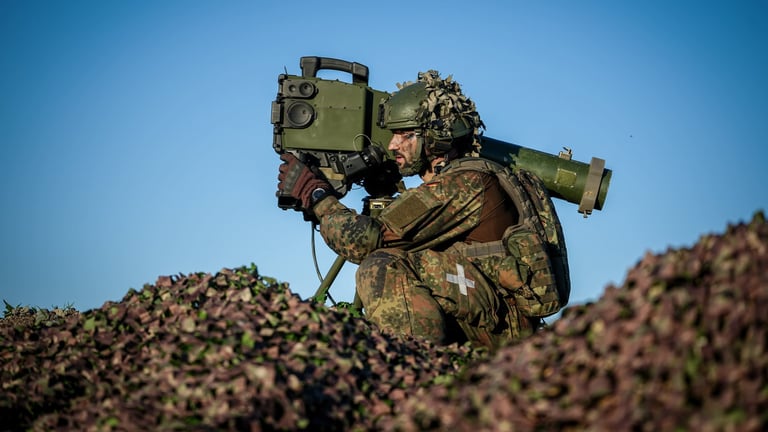

In the recent 2020 Bürgerschaft election, the SPD and the Greens achieved a significant victory, capturing two-thirds of the votes, while the CDU faced a historic low of 11.2%, although recent polls indicate a resurgence in support for the party.
A substantial financial package aimed at military and infrastructure improvements has been proposed, which key negotiators view as a positive step towards enhancing Germany's defense readiness.
There is growing skepticism regarding Trump's approach to military aid for Ukraine, prompting calls within Germany to reform borrowing rules to facilitate increased military spending.
The urgency of these coalition talks is believed to be influenced by recent developments in Ukraine and the evolving U.S. relations, although this remains speculative.
Merz is under pressure to maintain fiscal responsibility while addressing pressing issues such as migration policy, to avoid political shifts towards extremist parties like the AfD.
Germany's decision to lift defense spending from the debt brake signifies its commitment to addressing global security issues, especially in light of persistent threats from Russia.
Friedrich Merz's shift in fiscal policy raises concerns about his previously established image as a frugal leader, as critics argue he is straying from his pre-election stance on debt management.
The ongoing geopolitical tensions, particularly following the Ukraine war, have underscored the need for Europe to bolster its defense capabilities, as reliance on U.S. support is increasingly seen as insufficient.
Economists like Thomas Gitzel emphasize that long-term funding strategies for defense and infrastructure are essential, as incremental approaches are no longer adequate given the current geopolitical landscape.
Criticism from within the Union regarding the debt strategy is muted, with some leaders advocating for necessary funding to ensure security and freedom amidst global pressures.
While the financial package is seen as a pivotal moment in fiscal policy, concerns remain about the potential for excessive budget flexibility that could arise from excluding defense spending from the debt brake.
Debate continues regarding the long-term benefits of the proposed investments for Germany's productivity and growth, with skepticism about the effectiveness of spending without accompanying reforms.
Summary based on 207 sources
Get a daily email with more World News stories
Sources

BBC News • Mar 5, 2025
Germany's Merz promises to do 'whatever it takes' on defence
The Guardian • Mar 5, 2025
The Guardian view on Merz’s u-turn on debt: Germany responds to the signs of the times | Editorial
The Guardian • Mar 4, 2025
Germany’s future coalition partners to relax debt rules to boost defence budget