Toxic PFAS 'Forever Chemicals' Found in Dust Near NC Fluorochemical Plant: Alarming Health Risks Unveiled
April 1, 2025

Previous investigations have shown elevated PFAS levels in the blood of local wildlife, raising concerns about environmental exposure.
The study found that six specific PFAS compounds associated with Chemours were detected in over 75% of the dust samples, with higher concentrations found in homes closer to the plant.
In response to the contamination crisis, state regulators have mandated Chemours to extend PFAS testing to an additional 150,000 homes across six counties.
PFAS, often referred to as 'forever chemicals,' are synthetic substances that have been linked to serious health issues, including cancer, liver damage, heart disease, and reproductive problems.
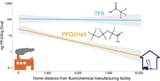
Additionally, the study found that dust concentrations of six PFEAs significantly decreased with increasing distance from the fluorochemical plant.
A recent study by researchers from the GenX Exposure Study revealed the presence of PFAS, or per- and polyfluoroalkyl substances, in household dust from homes located near a fluorochemical plant in Cumberland and Bladen counties, North Carolina.
The study indicated that over 90% of the homes tested contained high levels of various PFAS compounds, including Trifluoroacetic acid (TFA), which is commonly associated with refrigerant breakdown.
Residents in these counties are now eligible for well-water testing due to growing concerns over PFAS contamination.
Researchers suggest that contaminated air from the Chemours facility is a significant contributor to PFAS contamination in household dust, alongside potential water and produce contamination.
Conducted by the GenX Exposure Study at North Carolina State University, the findings were published in the journal Environmental Science and Technology.
The study highlighted the urgent need for further research on the health impacts of PFAS in household dust, particularly for vulnerable populations such as small children.
Research leader Jane Hoppin emphasized that small children may be at greater risk due to their increased exposure to dust compared to adults.
Summary based on 3 sources
Get a daily email with more Science stories
Sources
Phys.org • Mar 31, 2025
PFAS from fluorochemical plant found in dust of nearby homes
WRAL • Apr 1, 2025
Toxic dust? PFAS found in homes near NC plant
CityView NC • Apr 1, 2025
PFAS found in dust of homes near Fayetteville chemical plant