Bristol Study Tracks Baby Brain Growth to Unlock Early Learning Mysteries
April 11, 2025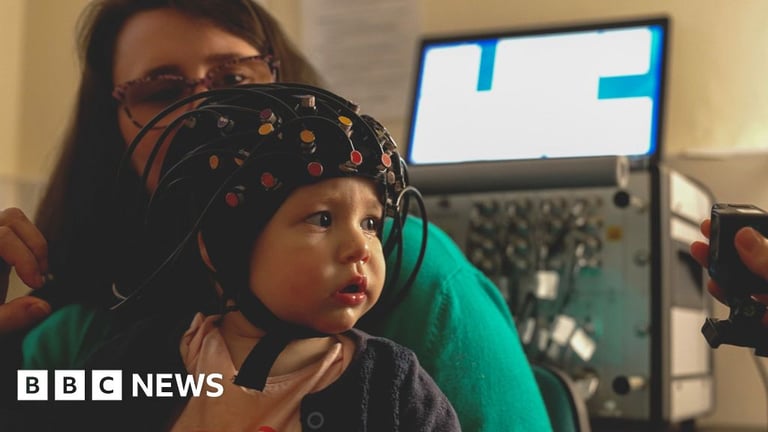

The University of Bristol is leading a groundbreaking study aimed at monitoring brain development in babies and toddlers, with a specific focus on their ability to learn essential cognitive skills.
This research tracks the development of 300 children aged six months to five years, utilizing data from the long-running 'Children of the 90s' project, which has followed their mothers since childhood.
The 'Children of the 90s' initiative has been active for 35 years, monitoring 14,500 children and providing critical insights into various health issues, including obesity and autism.
Recent findings from the original project have revealed connections between children's dietary habits and their social behaviors, as well as a concerning rise in fatty liver disease among young individuals.
The study highlights the importance of early intervention, as children who struggle academically in their early years are likely to face ongoing challenges into adulthood.
Lead researcher Dr. Karla Holmboe emphasizes the necessity of understanding the timing of critical skill development to better support children who encounter learning difficulties.
Participants in the study engage in scientific games and undergo MRI scans at different ages, providing a comprehensive view of their brain development.
In addition to cognitive skills, the research assesses language development and processing speed, both of which are vital for acquiring new information.
For instance, two-year-old Jackson participates in a game designed to test his working memory, which is essential for problem-solving and academic tasks like math and reading.
Similarly, two-year-old Henry engages in a game that evaluates his inhibitory control, requiring him to tap a screen to change smiley faces into dancing animals while wearing a sensor-laden cap to monitor his brain activity.
Emily, a participant from the original study, now brings her son Henry to contribute to the ongoing research, expressing her enthusiasm for the project's potential impact on future generations.
Henry's game illustrates the necessity for children to develop focus and adaptability in learning environments, as he must adjust his responses based on changing stimuli.
Summary based on 1 source
Get a daily email with more Science stories
Source
BBC News • Apr 10, 2025
The pioneering child development study monitoring babies’ brains