Aboriginal Ancestors Returned: Significant Repatriation Marks Healing and Justice for Indigenous Communities
April 11, 2025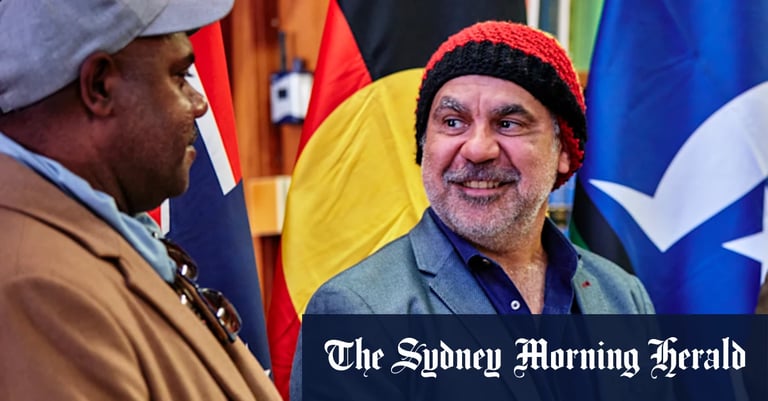

The remains of 36 Aboriginal ancestors are being returned to Australia following a ceremony at London's Natural History Museum, marking a significant cultural repatriation effort.
Thomas Holden of the Warrgamay Traditional Owners Aboriginal Corporation emphasized that the removal of ancestors represented profound disrespect and highlighted the importance of cultural safety.
Community members view this return as a vital step toward healing intergenerational trauma and reaffirming cultural obligations.
Many of the remains were taken from burial sites or traded without the knowledge of Indigenous families, reflecting a historical disregard for cultural heritage.
Among the remains returned is King Billy, a direct ancestor of Holden, who was taken during a grave robbery in the early 1900s, symbolizing the long-standing pain of Indigenous communities.
Actor Wayne Blair, representing the Woppaburra community, stated that this return is about justice and reconciliation, rather than merely returning scientific specimens.
Dr. Doug Gurr, director of the Natural History Museum, described the repatriation as deeply poignant, noting that extensive research was conducted to facilitate the process.
Representatives from four Queensland Indigenous communities participated in the handover, underscoring the cultural significance of the return.
The remains will be flown to Queensland, where a homecoming ceremony is scheduled for Monday at the Queensland Museum in Brisbane.
Six identified ancestors will be returned to their respective communities shortly, while the remaining 30 will be held by the federal government until traditional custodians are confirmed.
Over the past 30 years, more than 1,775 Aboriginal and Torres Strait Islander remains have been returned globally, including 1,300 from the UK, with 200 from the Natural History Museum in the last six years.
The Natural History Museum holds approximately 20,000 human remains in its collection, many of which were acquired during the colonial era without consent from Indigenous communities.
Summary based on 1 source
Get a daily email with more World News stories
Source

The Sydney Morning Herald • Apr 11, 2025
‘Not science specimens’: Remains of dozens of Aboriginal ancestors begin journey home