Ancient DNA from Sahara Mummies Unveils North African Ancestry and Neanderthal Links
April 2, 2025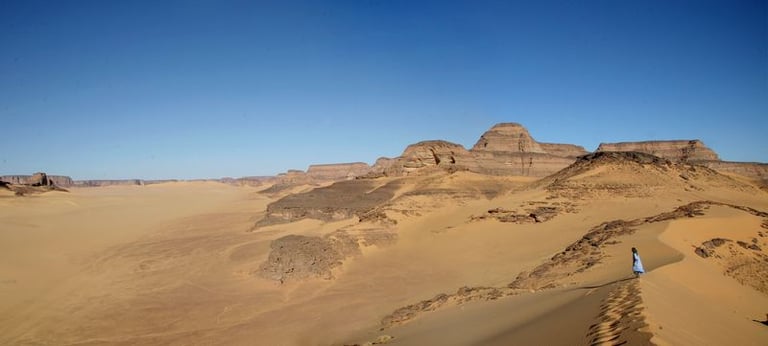

Recent research has unveiled ancient genomic data from the Takarkori rock shelter in the Central Sahara, illuminating the genetic ancestry of North African populations during the Green Sahara period, which lasted from approximately 11,000 to 5,000 years ago.
The archaeological findings at Takarkori suggest a long history of human settlement, with evidence dating back to Late Acacus hunter-gatherers around 10,200 years ago and a pastoral Neolithic occupation from about 8,300 to 4,200 years ago.
Overall, the findings raise intriguing questions about the ancestral relationship of the Takarkori population to modern humans, suggesting a potential link to early Out of Africa groups with minimal subsequent gene flow from non-African populations.
The Sahara's transformation from a green landscape to the world's largest desert around 3,000 BC marked the end of the Takarkori population, although their genetic heritage continues to influence contemporary groups.
The study revealed that the mummies from this site exhibited traces of Neanderthal ancestry, although significantly less than modern non-African populations, suggesting limited genetic influence from outside Africa.
Analysis indicates that the lineage of the Takarkori individuals diverged from sub-Saharan populations around 50,000 years ago, coinciding with the spread of other human lineages into Europe and Asia.
Contrary to previous beliefs, the study suggests that the rise of pastoralism in the Sahara was driven more by cultural exchange than by large-scale migrations of people.
This research contributes to a growing understanding of climatic and cultural transformations in North Africa, highlighting the importance of ancient human interactions with their environment.
The Takarkori lineage, while no longer existing in its original form, has left a genetic legacy that persists in modern North African populations, despite significant migrations over the past 20,000 years.
Artifacts discovered at the site, including tools, pottery, woven baskets, and figurines, indicate that the inhabitants led a pastoral lifestyle.
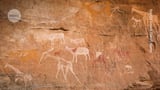
During the Green Sahara period, the region was characterized by numerous lakes and rivers, as well as diverse wildlife, as evidenced by rock art depicting animals such as hippopotamuses and giraffes.
The exceptional preservation of the mummies' DNA is attributed to the region's climate, which typically destroys ancient DNA.
Summary based on 6 sources
Get a daily email with more Science stories
Sources
Nature • Apr 2, 2025
Rare ancient DNA from Sahara opens a window on the region’s verdant past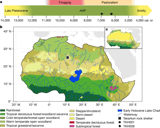
Nature • Apr 2, 2025
Ancient DNA from the Green Sahara reveals ancestral North African lineage
Yahoo News • Apr 4, 2025
Sahara desert, once lush and green, was home to mysterious human lineage
ScienceDaily • Apr 2, 2025
First ancient genomes from the Green Sahara deciphered