Germany Invites U.S. Scientists Amid Academic Crackdown Under Trump, Pledges €500 Billion Boost
April 21, 2025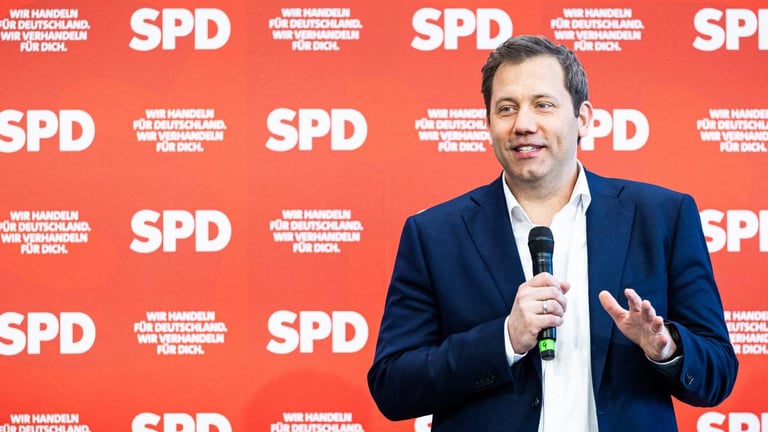

Overall, these efforts signal that Europe is positioning itself as a safe space for research and innovation, aiming to attract top researchers from around the globe.
To support this initiative, Klingbeil plans to utilize a substantial 500 billion euro special fund aimed at enhancing infrastructure, which will improve university resources and facilitate the integration of foreign scientists.
As Trump continues to target universities, the environment for scholars in the US remains challenging, with little indication that this trend will reverse.
He emphasized that Germany should serve as a 'safe haven' for researchers who feel uncomfortable in the US, underscoring the critical importance of free scientific inquiry.
Klingbeil also pointed out that Germany is focusing on key research areas such as quantum computing, artificial intelligence, biotechnology, pharmaceuticals, and space exploration to bolster its scientific standing.
The special fund will not only enhance university facilities but also support programs for foreign scientists wishing to relocate to Germany.
Lars Klingbeil, the leader of the SPD, is on a mission to attract American scientists to Germany, citing the increasing oppression of academia in the US under Donald Trump's administration.
This push to recruit talent comes in the wake of a notable decline in support for universities in the US since Trump's presidency, prompting European efforts to capitalize on this opportunity.
This debt package, approved by a potential future coalition before the formation of a new Bundestag, allows for greater spending on essential areas without impacting the debt brake.
The European Union is actively working to attract American scientists as well, launching various initiatives to create a more welcoming environment for talent across Europe.
In a related development, the German government recently passed a significant debt package that exempts defense and civil protection spending from debt limits, facilitating new investments.
EU Commissioner Ekaterina Zaharieva highlighted that the EU aims to enhance its appeal to top talent by embedding research freedom in EU law and increasing financial support from the European Research Council.
Summary based on 4 sources