Microplastics Linked to Cardiovascular Risks: New Study Unveils Hidden Dangers in Arterial Plaque
April 23, 2025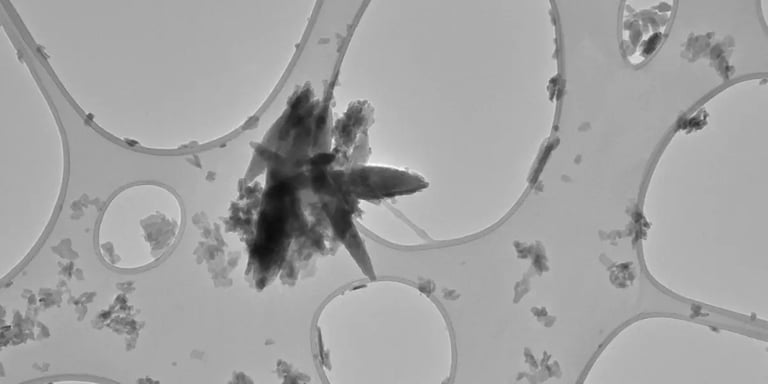

A recent study has uncovered high levels of microplastics in the arterial plaque of patients who have suffered strokes or vision loss, indicating a potential connection between microplastics and cardiovascular diseases.
The research involved 48 participants, comparing three groups: those with healthy arteries, those with plaque but no symptoms, and those with symptomatic plaque.
Notably, patients without symptoms exhibited plaque containing 16 times more plastic than that found in healthy arteries, highlighting significant differences based on health status.
The research team plans to conduct further studies to explore the impact of microplastics on the immune system, underscoring the need for caution in interpreting these early results.
Researchers are now advocating for a shift in focus towards studying nanoplastics, which are even smaller and more pervasive than microplastics.
The methodology for analyzing microplastics involved heating plaque samples to over 1,000 degrees Fahrenheit to vaporize plastics, although this posed challenges in distinguishing between lipids and polyethylene.
The study has limitations, including a small sample size and difficulties in differentiating between lipids and plastics, which may impact the results.
As findings from medical meetings are preliminary, they require validation through peer-reviewed publication before drawing definitive conclusions.
While the presence of nanoplastics did not trigger immediate inflammation, they were linked to changes in genetic activity that could affect plaque stability and inflammation control.
Dr. Ross Clark from the University of New Mexico, who led the study, emphasized that these microplastics primarily enter the human body through food and water, rather than direct contact with plastic items.
Genetic differences were also noted in stem cells associated with preventing heart attacks and strokes, suggesting that microplastics may influence their function.
Micronanoplastics, tiny particles resulting from industrial processes and the breakdown of larger plastics, can easily disperse and penetrate living tissues.
Summary based on 4 sources
Get a daily email with more Science stories
Sources

Business Insider • Apr 22, 2025
Microplastics' mystery link to stroke, heart attack — new clues
U.S. News & World Report • Apr 23, 2025
Microplastics Could Be Contributing To Clogged Arteries
Neuroscience News • Apr 23, 2025
Microscopic Plastics Found in Arteries Linked to Stroke Symptoms