EU Delays Supply Chain Law to 2028 Amid Business Pressure, Sparks Debate on Human Rights and Sustainability
April 3, 2025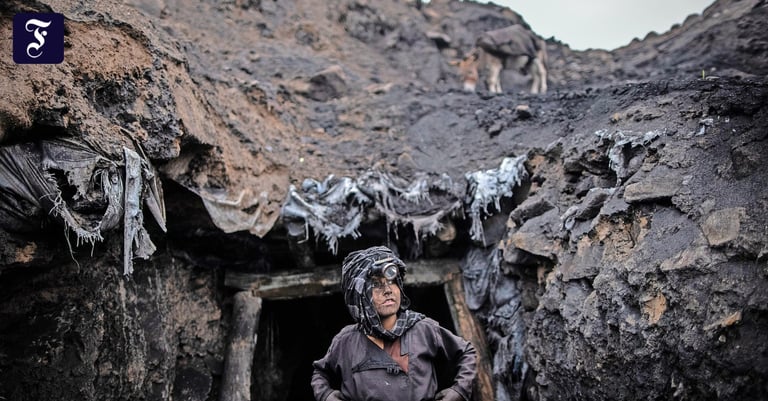

The European Parliament has approved a one-year delay for the implementation of the European Supply Chain Law, with the new regulations now set to take effect on July 26, 2028.
Concerns have been raised by many German business associations about the bureaucratic demands of the law, with some advocating for a rollback of commitments to environmental and human rights standards.
The revised proposals would limit reporting requirements on sustainability to companies with more than 1,000 employees, potentially exempting around 40,000 companies from the law.
The parliamentary approval of the delay is expected to be a formality, as EU member states have already expressed support for the measure.
Reactions from the business community have been mixed; while some praise the delay, others emphasize the need for thorough sustainability reporting to monitor corporate green investments.
This postponement, proposed by the EU Commission, responds to pressure from the business sector and may lead to simplifications aimed at reducing bureaucratic burdens on companies.
Körber, a small electronics firm owner, highlights the challenges of tracing supply chains and the need for uniform regulations across Europe.
Initially adopted in 2024, the law aims to hold companies with over 1,000 employees accountable for human rights violations, including forced labor and environmental degradation.
Various sectors, including foam manufacturing and garden furniture production, are already investing in sustainability, despite some companies seeking to dilute the regulations.
The delay could result in a weakening of the law, allowing companies to ensure compliance with human rights and environmental standards only among direct suppliers.
Despite the delay, Green party spokesperson Anna Cavazzini reiterated their opposition to the proposed amendments, particularly regarding the rights of victims of human rights abuses in supply chains.
The proposed delay, suggested by Ursula von der Leyen, is part of a broader initiative to simplify reporting requirements and has gained backing from both member states and EU legislators.
Summary based on 8 sources