Study Identifies Blood Proteins as Key Biomarkers for Long COVID Diagnosis and Treatment
April 30, 2025

These findings could pave the way for the development of diagnostic tests and treatments for long COVID, addressing a significant gap in current medical options.
This study underscores the urgent need for improved diagnostic tools for long COVID and highlights the importance of ongoing research in this area.
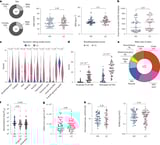
Employing advanced techniques, researchers were able to measure thousands of proteins in blood plasma, correlating these findings with the symptoms reported by patients.
A recent study conducted by Karolinska Institutet and Cardiff University has pinpointed specific blood proteins as potential biomarkers for long COVID, particularly in patients experiencing severe respiratory issues.
The next phase of this research will delve into lung and gastrointestinal tissue to better understand the origins of these proteins and evaluate any ongoing inflammation or tissue damage in affected patients.
Funding for this important study was provided by several organizations, including the PolyBio Research Foundation and the Swedish Research Council, although some authors have received unrelated consultancy fees from pharmaceutical companies.
The immune response to the SARS-CoV-2 virus is thought to contribute to the development of long-term symptoms, although the precise mechanisms remain unclear.
Long COVID, also known as Post COVID, is characterized by persistent symptoms such as acute breathlessness, fatigue, and difficulty concentrating that continue long after the initial infection.
Summary based on 10 sources
Get a daily email with more Science stories
Sources
Medical Xpress • Apr 30, 2025
Long COVID biomarkers found in blood associated with respiratory problems
News-Medical • May 1, 2025
Researchers identify blood biomarkers linked to Long COVID symptoms
The Hans India • May 1, 2025
Study finds long Covid biomarkers in blood linked to respiratory problems
Technology Networks • May 1, 2025
Long COVID Biomarker Found in Blood of Affected Patients