Vietnam Seeks Urgent Talks with U.S. to Avert Looming 46% Tariff on Imports
April 6, 2025


The proposed 46% tariff is set to take effect on April 9, 2025, unless an agreement is reached, raising concerns among Vietnamese leaders.
As the U.S. is Vietnam's largest export market, these tariffs threaten to disrupt Vietnam's booming economy, which heavily relies on manufacturing and exports.
The tariffs have prompted other nations, including China, to respond with their own retaliatory measures, complicating international trade dynamics.
To facilitate negotiations, Lam appointed Vice Prime Minister Ho Duc Phoc as the main contact for discussions with the U.S., hoping to meet Trump by the end of May.
Vietnamese Prime Minister Pham Minh Chinh has prioritized addressing the tariff issue, aiming for a resolution that benefits both nations.
Both leaders reaffirmed their commitment to enhancing bilateral cooperation, which they believe will benefit both nations and contribute to regional stability.
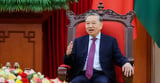
Vietnam is ready to negotiate with the United States to eliminate import tariffs on U.S. goods, as indicated by Party Chief To Lam during a recent phone call with President Donald Trump.
In a related development, Cambodia has requested a postponement of a similar 49% tariff rate on its products, seeking negotiations with the U.S.
Following the tariff announcement, Vietnamese stocks plummeted, with the benchmark index dropping 8.1%, and major brands like Nike and Adidas facing reduced orders.
Vietnam aims to increase imports from the U.S. and create favorable conditions for American businesses, emphasizing the importance of bilateral trade.
During Trump's first term, Vietnam emerged as a preferred destination for companies relocating from China, with a significant portion of U.S. footwear imports coming from Vietnam.
These negotiations will serve as a critical test of the Trump administration's willingness to adjust its tariff policies, which have already led to global market instability.
Summary based on 12 sources
Get a daily email with more Macroeconomics stories
Sources
The New York Times • Apr 6, 2025
Vietnam Urges United States to Delay Imposing Tariffs On It

Business Insider • Apr 6, 2025
Vietnam is 'ready' to negotiate 0% US import tariffs
Investing.com • Apr 6, 2025
US, Vietnamese businesses ask Trump to delay 46% tariffs on Vietnam