France Mandates Gender Parity in Small-Town Elections, Ending 141-Year-Old Voting Tradition
April 7, 2025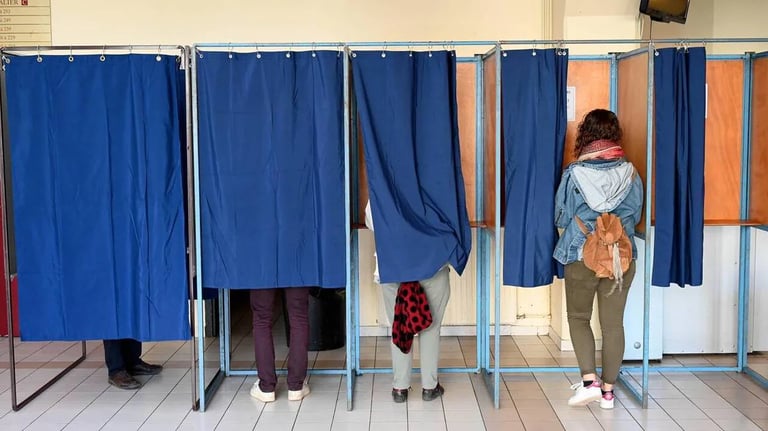

Under the new rules, candidate lists must reflect gender parity, aligning the voting practices of small towns with those of larger municipalities.
On April 7, 2025, the French Parliament passed a significant law mandating gender parity in municipal elections for towns with fewer than 1,000 inhabitants, set to take effect in March 2026.
Currently, women hold only 37.6% of elected positions in small municipalities, compared to 48.5% in larger cities, underscoring the need for this reform to enhance female representation.
The law is expected to impact approximately 27,000 small towns, representing 71% of French communes and affecting 13% of the population, thereby promoting inclusivity in local governance.
Supporters of the law, including the Association of Mayors of France, believe that these changes will help create more cohesive and stable municipal teams.
The bill received strong support in both the Senate and the Assemblée, passing with a narrow margin that reflects the contentious nature of the discussions surrounding it.
This legislative reform is seen as a politically significant change that could reshape local governance in France, addressing long-standing gender imbalances in political representation.
The government's request for a second deliberation to revert to the original text of the law sparked outrage among some assembly members, leading to accusations of 'cheating' from extreme right factions.
This legislation also marks the end of the panachage system, which allowed voters to mix candidates from different lists, a practice that has been part of the electoral tradition for 141 years.
While many mayors welcomed the reform, it faced significant opposition from right-wing parties, particularly the National Rally, which argued that finding female candidates in small communities would be challenging.
Despite initial proposals to delay the law's implementation until 2032, the government successfully maintained the original timeline for 2026 during a contentious second deliberation.
The passage of the law saw some unexpected shifts in support, with certain communist members changing their votes to favor the reform, highlighting the complex dynamics within the assembly.
Summary based on 8 sources
Get a daily email with more EU News stories
Sources

The Local France • Apr 8, 2025
French villages required to enforce gender parity in local elections