Space Force Taps SpaceX for Urgent GPS III Satellite Launch Amid ULA Delays
April 7, 2025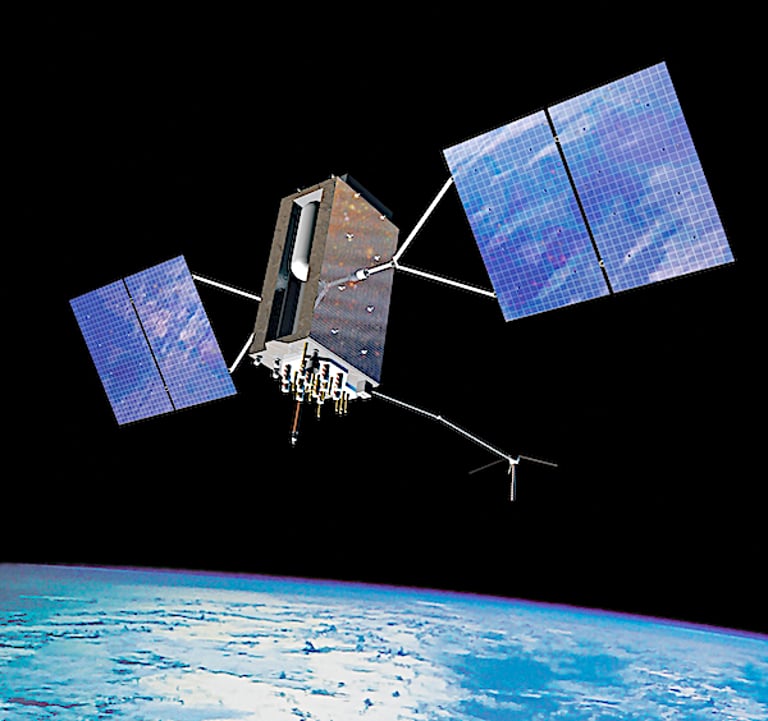

The U.S. Space Force is set to launch the GPS III Space Vehicle-08 satellite aboard a SpaceX Falcon 9 rocket, with the launch scheduled for late May 2025 from Cape Canaveral Space Force Base in Florida.
This decision to transition from United Launch Alliance (ULA) to SpaceX was made to address a backlog of satellites and meet urgent military needs, particularly as ULA's Vulcan rocket has faced development delays.
The reassignment of this mission exemplifies the agility of the National Security Space Launch (NSSL) program, which is designed for high-value military and intelligence satellites.
Col. Jim Horne from the Space Systems Command emphasized the Space Force's rapid response capabilities, reducing the usual launch preparation timeline from 24 months to just three months.
Currently, the Space Force operates at least 31 GPS satellites in orbit, with many older models exceeding their operational lifetimes, highlighting the urgency for new satellites.
The successful execution of this mission aligns with the Secretary of Defense’s strategic objectives to bolster the operational effectiveness of U.S. military forces.
This mission is named in honor of Creola Katherine Johnson, whose calculations were crucial to the success of early U.S. manned spaceflights, underscoring the mission's significance in enhancing military communication capabilities.
Lockheed Martin confirmed that the GPS III SV-08 satellite was delivered to Florida for final processing ahead of its launch, following its transport from Colorado.
This launch represents the second instance of the Space Force switching from ULA's Vulcan rocket to SpaceX's Falcon 9, demonstrating flexibility in launch scheduling.
The GPS III satellite features advanced M-Code technology, offering three times greater accuracy and eight times more resistance to jamming compared to previous systems.
Looking ahead, the next variant of GPS satellites, the GPS IIIF, is expected to launch in late 2026 or early 2027, featuring enhanced anti-jam capabilities.
Frank Calvelli, the Pentagon's chief of space acquisition, expressed concerns about ULA's capacity to meet increasing demands, as the Vulcan rocket has a backlog of 89 missions.
Summary based on 8 sources
Get a daily email with more Space News stories
Sources

Ars Technica • Apr 8, 2025
A military satellite waiting to launch with ULA will now fly with SpaceX
SpaceNews • Apr 7, 2025
Space Force reassigns GPS satellite launch from ULA to SpaceX
Defense News • Apr 7, 2025
Space Force eyes late May launch of next GPS III satellite
TESLARATI • Apr 8, 2025
SpaceX scores another win, this time from the US Space Force