Labor's $2.3B Home Battery Plan Slashes Costs, Boosts Renewable Energy by 2025
April 9, 2025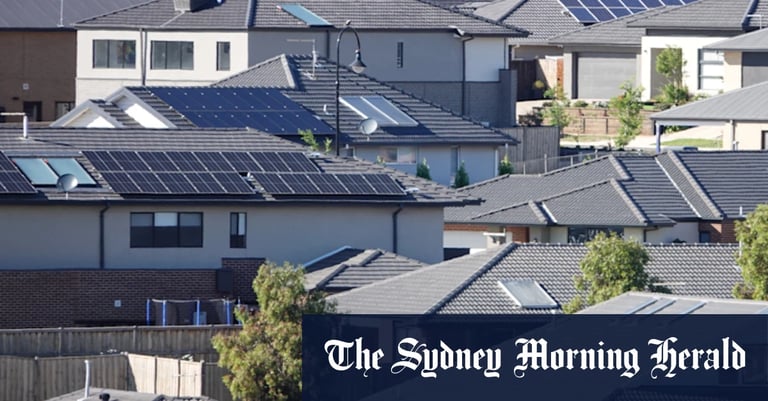


Labor's home battery initiative aims to reduce the cost of household batteries by approximately $4,000, or 30%, starting from July 1, 2025, to support renewable energy use and lower electricity costs for households.
Under this program, a 30% subsidy on battery costs will make a typical 6 kWh battery, usually priced at $6,000, cost around $4,200 after the subsidy.
The initiative is projected to cost $2.3 billion and could lead to one million additional battery installations by 2030, significantly aiding the transition to a cleaner energy grid.
Interest-free loans for battery purchases are available from various state governments and financial institutions, making it easier for consumers to invest in home batteries.
State-based incentives will continue alongside the federal subsidy, with programs in New South Wales, Western Australia, and the Northern Territory offering additional financial support for battery installations.
Home batteries store solar energy generated during the day for use at night, allowing homeowners to save significantly on their electricity bills, with potential savings of up to $1,100 annually for those with existing solar systems.
By storing surplus solar energy generated during the day, households can use it in the evening, minimizing energy loss and reliance on the grid during peak hours.
Experts emphasize that improving energy efficiency is a straightforward method to reduce emissions and bills, which is vital for public health and safety.
As more households adopt battery systems, renters and the general public could benefit from lower energy prices due to decreased peak demand.
Currently, high electricity costs during peak times are often due to reliance on gas peakers, which are expensive backup generators that drive up prices.
Critics highlight that the policy does not benefit low-income individuals, renters, or those in social housing who cannot install batteries, prompting calls for more comprehensive solutions to electrification and energy efficiency.
Approximately one-third of Australian homes already have solar systems, and the policy aims to replicate the cost reduction seen in solar panel prices through increased competition and demand.
Summary based on 2 sources
Get a daily email with more Climate change stories
Sources

The Guardian • Apr 7, 2025
Labor's home batteries policy could help people who will never take it up. Here's how | Adam Morton
The Sydney Morning Herald • Apr 9, 2025
Everything you need to know about Labor’s home battery promise