Toxic Algal Bloom Devastates Marine Life in South Australia Amid Climate Change Concerns
May 14, 2025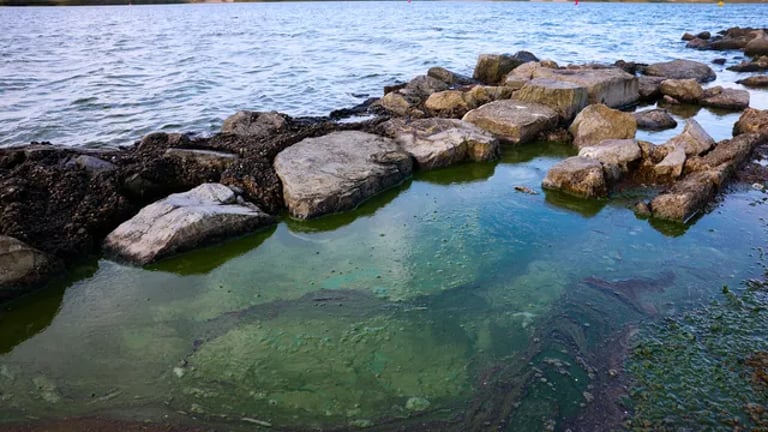


Susan Close, South Australia's Environment Minister, has warned residents to avoid swimming in affected waters due to health risks, emphasizing the need for significant weather changes to alleviate the crisis.
Experts attribute the bloom's severity to a marine heatwave exacerbated by climate change, which has raised ocean temperatures by 2.5°C to 3.2°C above average.
The calm weather conditions and stable high water temperatures have created an environment conducive to the bloom's growth, posing significant challenges to local ecosystems and economies.
While the algae are not harmful to humans consuming seafood, they can cause skin irritations and respiratory issues, prompting health authorities to quarantine several oyster farms.
A toxic algal bloom caused by the dinoflagellate Karenia mikimotoi has devastated marine life off the coast of South Australia, resulting in the deaths of over 200 species, including sharks and leafy sea dragons, since March 2025.
This bloom spans approximately 4,400 square kilometers, affecting popular tourist areas such as Kangaroo Island, Yorke Peninsula, and Fleurieu Peninsula.
Local conservationists have reported extensive mortality among marine species, with volunteers documenting numerous dead animals along the beaches, including rays and sea dragons.
Susan Close emphasized that this crisis serves as a warning for future environmental challenges if climate action is not prioritized, especially as South Australia transitions towards renewable energy.
Although cooler weather may eventually help disperse the bloom, the ongoing issue of climate change-induced warming oceans remains a critical concern for the region.
Health authorities have detected toxins linked to the bloom at Yorke Peninsula, leading to the temporary closure of six oyster farms and the loss of up to 10 million oysters.
This unprecedented bloom is not only the largest in South Australia but also highlights the broader implications of climate change, as similar events have previously disrupted fisheries and tourism globally.
Reports of dead marine life have been widespread, with significant die-offs observed at beaches like Snellings and Goolwa, affecting various species including cockles and deepwater fish.
Summary based on 6 sources
Get a daily email with more World News stories
Sources
The Guardian • May 12, 2025
‘A horror movie’: sharks and octopuses among 200 species killed by toxic algae off South Australia
Yahoo News • May 15, 2025
Toxic algae killing marine life off Australian coast
Phys.org • May 15, 2025
Toxic algae killing marine life off Australian coast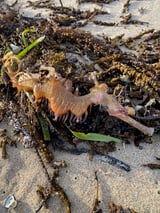
Green Left • May 13, 2025
‘Marine apocalypse’: Algal bloom devastates South Australia’s coastal ecosystems