EU Proposal to Relax Farming Regulations Sparks Environmental Concerns and Calls for German Opposition
May 15, 2025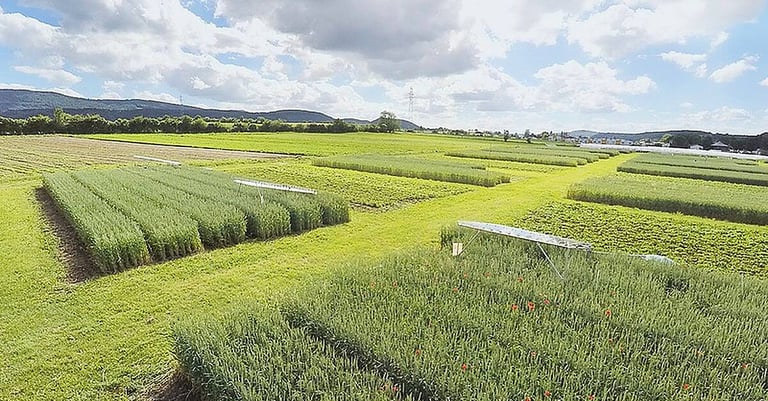

This proposal includes weakening protections for meadows and pastures, which could lead to increased CO₂ emissions and raise concerns among environmentalists.
The proposal also includes increased subsidies for maintaining peatlands and wetlands, which are vital for effective water resource management.
While the Commission aims to promote environmental protection through incentives, critics argue that the removal of existing rules lacks clear financial support for enhancing biodiversity.
On May 14, 2025, the European Commission proposed significant changes to relax environmental regulations for farmers, allowing them to convert more grassland into arable land.
Before these changes can take effect, they must receive approval from the European Parliament and EU member states, with Germany's position being particularly influential.
Environmental groups have criticized the proposals, arguing that they threaten climate stability and biodiversity, and are calling for alternatives that prioritize environmental protection.
Organic farmers would face the complete removal of restrictions on plowing grassland, which could lead to the release of an estimated 125 million tons of CO₂, equivalent to the total emissions of the Czech Republic in 2023.
Under the new proposal, farmers would be allowed to plow up to 10% of permanent grassland without losing key subsidies, an increase from the current limit of 5%.
Climate campaigners warn that these regulatory rollbacks may heighten farmers' vulnerability to climate change, as wetlands play a crucial role in managing floods and droughts.
The proposed changes aim to alleviate bureaucratic burdens on farmers, potentially saving them up to €1.58 billion annually and reducing on-site farm checks to once per year.
From 2021 to 2027, the EU is allocating approximately €378.5 billion for agricultural policies, with many farms relying on state subsidies for a significant portion of their income.
Given the environmental and economic implications of these proposals, it is suggested that Germany should oppose them in the EU Council.
Summary based on 3 sources