New Genetic Discovery Explains Orange Cats' Unique Coat and Male Dominance
May 15, 2025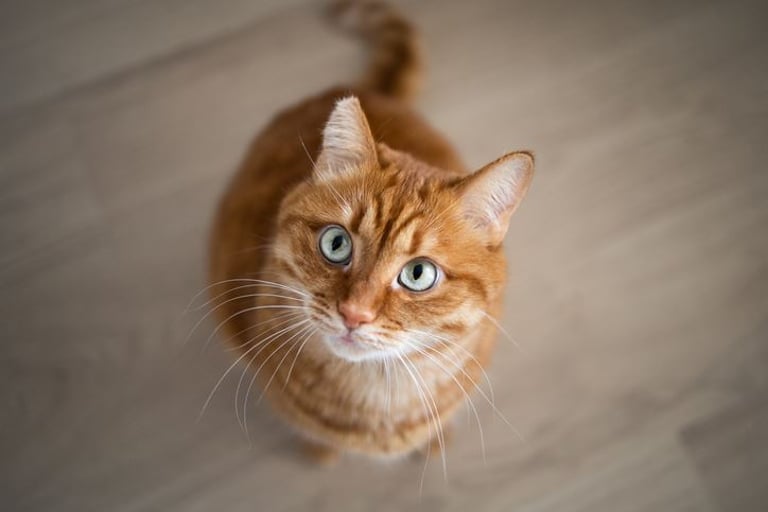

Conducted by geneticists from Stanford University and Kyushu University, the studies were published collaboratively in 'Current Biology' on May 15, 2025.
The study was crowdfunded, raising over 10 million yen from cat enthusiasts, showcasing the public's interest in feline genetics.
Future research will explore potential links between coat color and personality traits in cats, as well as the mutation's medical implications for humans.
Researchers have discovered a genetic mutation in orange domestic cats that accounts for their distinctive coat color and the higher prevalence of males among them.
This mutation involves a deletion on the X chromosome that enhances the activity of the Arhgap36 gene, which was previously unassociated with pigmentation.
This mutation causes a switch from eumelanin (brown/black) to pheomelanin (red/orange) in pigment cells, similar to the mechanism behind red hair in humans.
The findings have significant implications for understanding pigment-type switching across various species, highlighting conserved signaling pathways in mammalian coloration.
The deletion leads to ectopic expression of Arhgap36 in melanocytes, blocking protein kinase A (PKA) activity and resulting in the orange fur phenotype.
The increased expression of Arhgap36 inhibits the activation of genes responsible for producing brown-black pigment, allowing for the synthesis of yellow-red pigment instead.
The trait is sex-linked, residing on the X chromosome, which explains its predominance in males who possess only one X chromosome.
Understanding the ARHGAP36 mutation has broader implications, as this gene is present in all animals, including humans, and provides insights into hormonal signaling pathways.
Overall, this research underscores the significance of genetic mutations in understanding the evolution of physical traits across various species.
Summary based on 19 sources
Get a daily email with more Science stories
Sources

BBC News • May 15, 2025
Decades-long mystery of ginger cats revealed
NPR • May 16, 2025
The DNA secret behind orange cats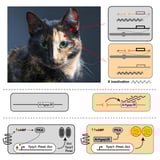

USA TODAY • May 16, 2025
Why are orange cats orange? A small missing piece of DNA is why, 2 new studies explain