EU Enacts Fertilizer Tariffs to Weaken Russian Economy, Sparks Agriculture Concerns
May 22, 2025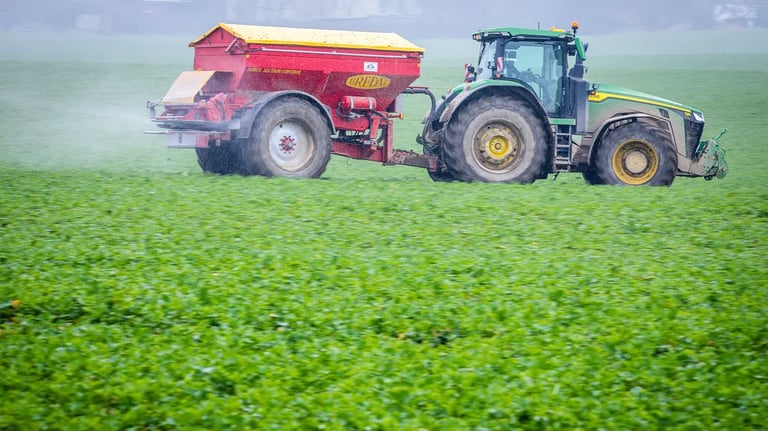

The new sanctions will bypass the usual requirement for unanimous consent, allowing for increased tariffs on Russian and Belarusian agricultural products.
In response to these concerns, the European Commission has assured that measures are in place to mitigate market disruption, including a gradual implementation of the tariffs over three years.
Despite the criticisms, the EU Commission maintains that these tariffs will not compromise supply security within the EU and are intended to strengthen domestic producers.
Currently, Russian fertilizers are priced significantly lower than their European counterparts, raising concerns about market competitiveness for European producers.
This legislation is part of the EU's strategy to reduce dependence on critical supplies from Russia and to divert resources away from the Kremlin's military budget.
However, agricultural groups, including Copa-Cogeca, have expressed concerns that European production cannot compensate for the loss of these imports, warning that the tariffs could have a catastrophic impact on European agriculture.
The tariffs include a 6.5% customs duty and additional charges on nitrogen fertilizers, which will escalate to 430 euros per ton by 2028.
Carlo Fidanza from Fratelli d’Italia criticized the absence of a safeguard clause to protect European farmers from potential price increases resulting from these tariffs.
MEP Inese Vaidere emphasized the necessity of halting purchases of critical products from Russia, which still supplies 26% of the EU's fertilizers.
On May 22, 2025, the European Parliament approved new tariffs on fertilizers and food imports from Russia and Belarus, aiming to disrupt funding for Russia's ongoing war against Ukraine.
The new customs duties will take effect in July 2025 and will progressively increase over three years, reflecting the EU's commitment to reducing reliance on Russian and Belarusian nitrogen fertilizers.
The EU is implementing stricter tariffs on Russian fertilizers to undermine the Russian economy amidst a backdrop of existing sanctions.
Summary based on 7 sources