Germany Boosts Military Aid to Ukraine Amidst Escalating Tensions with Russia
May 26, 2025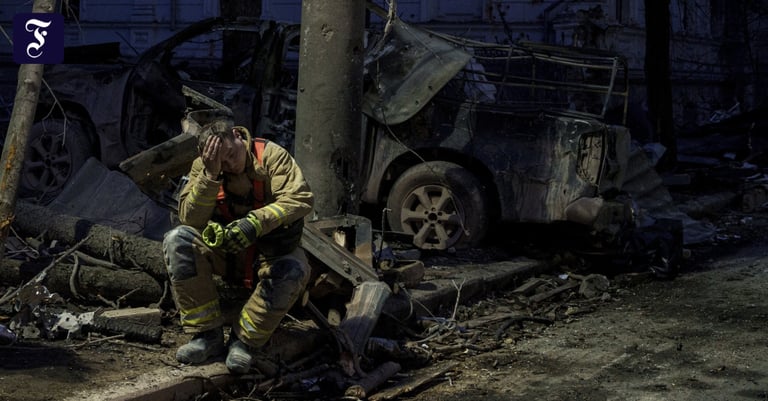


As the situation evolves, the potential for peace talks may lead to renewed interest in riskier assets like cryptocurrencies, although current market dynamics suggest a short-term suppression of their valuations.
These developments underscore the interconnectedness of global politics, as rising geopolitical tensions impact various sectors, including energy and defense.
Meanwhile, discussions regarding the timing and location of the next round of negotiations related to the conflict are still ongoing.
A significant majority of 17 EU member states, including the Netherlands and France, support the review of the agreement with Israel, initiated by the Netherlands at a recent foreign ministers' meeting.
In the U.S., bipartisan support is emerging in the Senate for new sanctions targeting the banking sector, as indicated by calls from Senator Lindsey Graham and others.
Overall, the ongoing conflict and international responses highlight the complexities of global diplomacy and the need for strategic planning in both economic and military contexts.
In recent days, Russia has escalated its military actions against Ukraine, conducting significant missile and drone strikes that have resulted in casualties, which starkly contrasts with former President Trump's optimistic remarks about potential ceasefire negotiations.
At the WDR European Forum 2025, German Chancellor Friedrich Merz announced that there would be no limitations on the types of weapons supplied to Ukraine by Western nations, including Germany.
This review is expected to influence future diplomatic interactions and policy decisions concerning the Israeli-Palestinian conflict.
Merz also emphasized the importance of Germany's economic planning beyond the ongoing conflict, focusing on sectors such as energy, infrastructure, agriculture, and medical technology.
In the context of international relations, the European Commission is currently reviewing its political and trade agreement with Israel to ensure compliance with human rights standards, although no timeline for conclusions has been established.
Summary based on 369 sources