WHO Endorses Weight-Loss Drugs for Obesity; Aims to Boost Global Access and Affordability
May 3, 2025


There are calls for practical applications of this support, particularly regarding the subsidization of these medications to make them more accessible.
The WHO's conditional recommendation will be published in August 2025 as part of new obesity treatment guidelines, which will also include separate recommendations for children and adolescents.
The World Health Organization (WHO) is set to officially endorse the use of weight-loss medications for treating obesity in adults, marking a significant shift in its approach to this global health issue.
This announcement has been positively received by various associations that emphasize the importance of addressing obesity as a public health issue.
Next week, WHO experts will meet to discuss the inclusion of GLP-1 drugs in the agency's essential medicines list for treating obesity and type 2 diabetes, which could facilitate wider access in poorer nations.
The WHO emphasizes the need for long-term studies on the cost-effectiveness of these drugs, particularly in low- and middle-income countries, and suggests mechanisms like tiered pricing to enhance access.
The WHO's recommendation aims to improve access to these treatments in low- and middle-income countries, where approximately 70% of the over one billion people with obesity reside.
These weight-loss medications have been launched in high-income countries, including the United States, Germany, and Britain, but can cost over $1,000 a month and may require lifelong use to maintain weight loss.
The active ingredient semaglutide in Wegovy will lose its patent next year in some markets, prompting several companies to prepare to launch cheaper generic alternatives, while liraglutide, an older drug, is already available as a lower-cost generic.
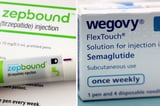
Popular GLP-1 receptor agonist drugs, such as Wegovy by Novo Nordisk and Zepbound by Eli Lilly, have shown to help users lose 15% to 20% of their body weight in clinical trials.
The initiative reflects a growing recognition of the need for comprehensive strategies to combat obesity, which is a global health concern.
In 2023, the WHO did not add obesity drugs to its essential medicines list due to insufficient evidence of their long-term benefits, but the new memo indicates support for their inclusion this time.
Summary based on 2 sources
Get a daily email with more World News stories
Sources
ksl.com • May 2, 2025
World Health Organization set to back use of weight-loss drugs for adults globally