Soaring Rents Threaten German Retail and Hospitality Sectors, Thousands of Closures Loom
May 9, 2025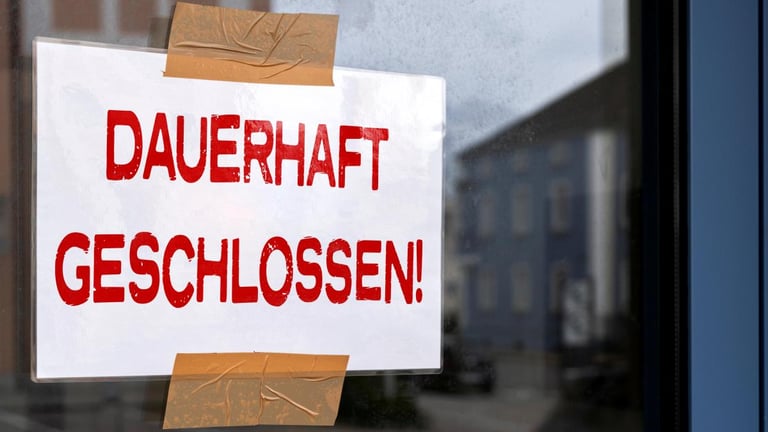

Rising rents are severely impacting retail and hospitality businesses across Germany, leading to numerous closures and an increase in empty storefronts.
Berlin's Prenzlauer Berg neighborhood is also losing its iconic bars and restaurants, as landlords are reluctant to renew leases amid high operating costs.
The average rent in Munich's Kaufingerstraße stands at €340 per square meter, while retail rents in Berlin have doubled over the past decade.
Upcoming property tax increases expected in 2025 are likely to exacerbate rent prices, adding further pressure on already struggling businesses.
Experts propose a partnership model where rents are partially based on sales, which could provide a more sustainable solution for landlords and businesses amid fluctuating economic conditions.
An analysis from IHK Baden indicates that nearly 30% of urban businesses might vanish in the next decade, with one in five business owners citing high rent costs as a significant concern.
The wave of business closures is creating a domino effect, weakening the overall retail environment and diminishing foot traffic in city centers, which further harms the remaining businesses.
Urban areas, including major cities like Munich and Berlin, are witnessing a notable decline in traditional retail and nightlife establishments.
In Munich's Kaufingerstraße, despite attracting 1.8 million visitors in February 2025, many retailers continue to close due to insufficient sales.
The closure of popular establishments, such as Café Lido in Frankfurt after over 23 years due to a proposed 70% rent increase, underscores the broader struggles facing businesses.
Since the pandemic, commercial rents have surged by approximately 14% nationally, complicating operations for businesses, particularly those bound by inflation-indexed contracts.
Since the onset of the pandemic, around 40,000 retailers have shut down, with projections suggesting that an additional 46,000 could close in the next four years due to escalating rents and declining sales.
Summary based on 1 source