Antibiotics Disrupt Infant Immunity: Study Reveals Gut Microbiome’s Critical Role in Respiratory Defense
June 10, 2025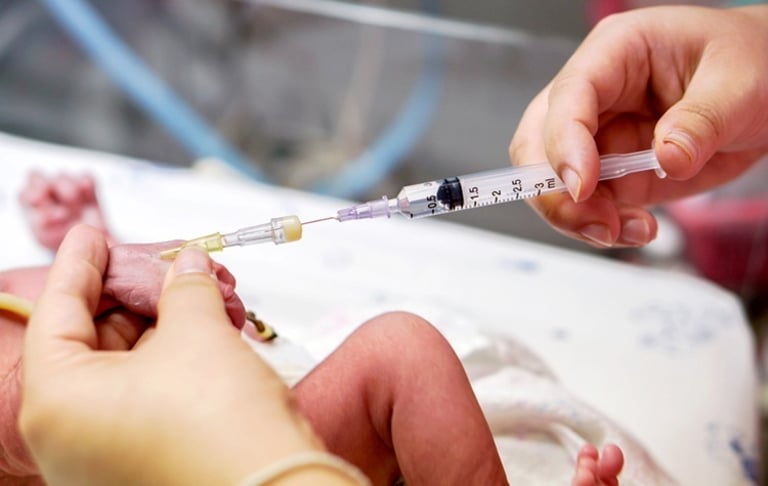

A recent study from Cincinnati Children’s Hospital has revealed that antibiotics disrupt gut bacteria, which in turn prevents the immune system from effectively learning to combat respiratory infections.
Key researchers, MD/PhD students Jake Stevens and Erica Culberson, found that the gut microbiome plays a crucial role in educating the immune system.
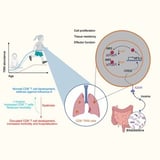
The research identified Bifidobacterium, a beneficial gut bacterium, as essential for producing inosine, a molecule vital for proper immune cell development.
The absence of inosine due to antibiotics leads to impaired immune function, as antibiotic-exposed infants struggle to develop necessary immune cells.
These infants also have difficulties developing 'tissue-resident memory cells,' which are crucial for rapid immune responses to reinfections, with deficits that can persist into adulthood.
Using data from both mouse and human infants, the study found that those exposed to common antibiotics like ampicillin and gentamicin exhibited significantly lower levels of protective CD8+ T cells in their lungs.
The study confirmed that immune deficits in antibiotic-exposed human infants mirrored those observed in mice, indicating the universality of these findings.
This research suggests that the immune deficits caused by antibiotic exposure can lead to permanent changes in the immune system.
Inosine supplementation has shown promise in restoring normal T cell development and enhancing infection resistance in antibiotic-exposed mice.
Senior author Hitesh Deshmukh emphasized the need for targeted supplementation to protect vulnerable infants, although further testing in human clinical trials is necessary before making recommendations.
Researchers advocate for careful antibiotic use during pregnancy and infancy, suggesting probiotics or prebiotics to support healthy microbiome development.
Further research is essential to assess the benefits of inosine supplementation in human infants and develop strategies to protect them from respiratory infections.
Summary based on 3 sources
Get a daily email with more Science stories
Sources
Yahoo Finance • Jun 9, 2025
Discovery Suggests Method to Offset Antibiotic-Caused Harm to Infant Immune Systems
News-Medical • Jun 9, 2025
Study reveals mechanisms behind antibiotic-related immune disruptions in infants