EU to Ban Russian Gas by 2027, Pushing for Renewables and Investment Boom
June 11, 2025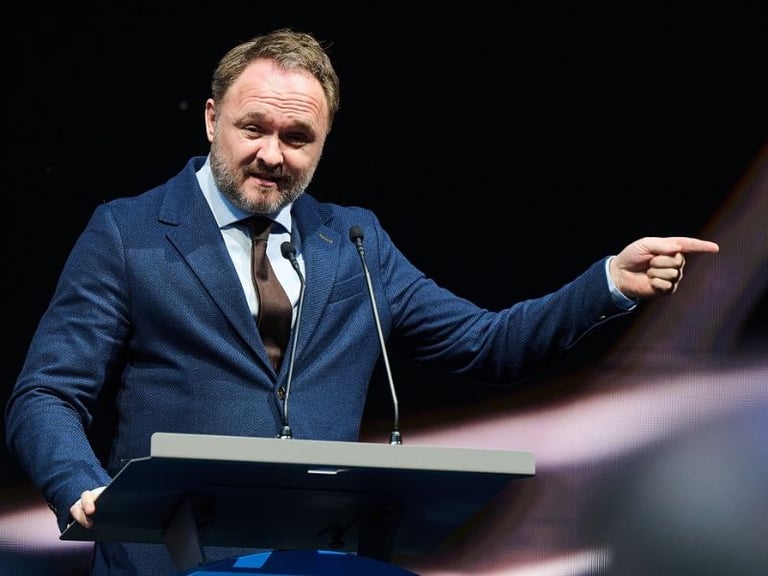

Jon Phillips from the Global Infrastructure Investment Association highlighted that the EU's transition away from fossil fuels could position it as a leading destination for investment capital, thanks to its stable policies and market size.
EU Commissioner for Energy Dan Jørgensen stressed the urgent need for faster climate action, aiming for annual savings of €45 billion through increased adoption of renewable energy.
Romania's energy minister, Sebastian Burduja, noted that despite receiving €14 billion for decarbonisation, more funding is needed for grid modernization.
In a significant move towards energy diversification, the European Commission announced plans to ban new contracts for Russian gas imports by the end of 2025, with a complete halt expected by 2027.
However, Jørgensen pointed out that electricity prices in the EU are currently two to three times higher than in the US, which negatively impacts industrial competitiveness.
The lengthy permitting processes for energy projects in the EU, which can take eight to ten years compared to three and a half years in the US, create significant bottlenecks for timely investments.
To address these issues, the European Commission is working on a new grid package aimed at streamlining permitting processes and improving cross-border energy infrastructure by the end of 2025.
Currently, gas contributes about 15% to the EU's electricity production, a decrease from 19% five years ago, indicating a shift towards more renewable sources.
Industry leaders at the recent Eurelectric meeting emphasized that investment in the electricity sector is crucial for the EU to achieve its long-term energy and environmental goals.
Phillips also highlighted the challenges posed by the EU's fragmented energy market, advocating for a unified European energy market to enhance investment efficiency.
Eurelectric's secretary general, Kristian Ruby, emphasized the importance of reducing reliance on fossil fuels for sovereignty and security in electricity generation.
Notably, fossil fuel imports cost the EU €350 billion in 2024, a significant reduction from €600 billion in 2022, reflecting progress in energy independence.
Summary based on 2 sources
Get a daily email with more EU News stories
Sources


Enlit World • Jun 9, 2025
EU could be ‘pre-eminent destination for investment capital’… but work is needed