Targeted Invasive Species Management Could Cut EU Extinction Risk by 16%, Study Reveals
June 12, 2025


A recent study published in NeoBiota indicates that targeted management of invasive alien species (IAS) could reduce the extinction risk for threatened species in the European Union (EU) by up to 16%.
The research aligns with findings from a 2023 report by the Intergovernmental Panel on Biodiversity and Ecosystem Services, which identified IAS as a significant factor in 60% of documented plant and animal extinctions, with projections of a 36% increase in invasive species by 2050.
Currently, 3,759 species in the EU are assessed as Near Threatened or Threatened, with 579 species (15%) specifically threatened by IAS.
Islands, due to their unique biodiversity and fragile ecosystems, are particularly vulnerable to IAS, facing a significantly higher threat compared to mainland areas.
The study highlights the Macaronesian Islands, including the Canary Islands, Madeira, and the Azores, as regions with the greatest potential for reducing extinction risk, estimating over a 40% reduction if IAS are eliminated.
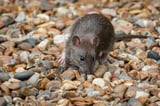
Specific IAS such as feral goats, mouflons, rabbits, and rats were identified as major contributors to regional extinction risk, accounting for 12.4%, 8.1%, 5.3%, and 4.6% respectively.
Piero Genovesi, Chair of the IUCN Invasive Species Specialist Group, emphasizes the need for coordinated, science-based responses to biological invasions, particularly in biodiversity hotspots like the Macaronesian Islands.
Boris Erg, IUCN's European Regional Director, notes that managing IAS can significantly enhance native biodiversity and support ecosystem services and local economies, aligning with the EU Biodiversity Strategy's goal to reduce IAS impacts on threatened species by 50% by 2030.
The research underscores the importance of addressing IAS as part of the EU Biodiversity Strategy for 2030.
The economic costs of biological invasions in the EU are estimated at $129.9 billion from 1960 to 2020, highlighting the substantial financial impact of IAS.
The study utilized the IUCN Species Threat Abatement and Restoration (STAR) metric to identify effective conservation actions against IAS.
Randall Jiménez Q, a Senior Conservation Scientist at IUCN and the study's first author, emphasizes the importance of identifying key areas for effective action against IAS to mitigate their impact on biodiversity and the economy.
Summary based on 2 sources
Get a daily email with more Science stories
Sources

Phys.org • Jun 12, 2025
Targeted management of invasive species could reduce EU species extinction risk by 16%