Study Reveals Mitochondrial Dysfunction as Key Driver of Neuron Loss in MS, Affecting Motor Skills
June 16, 2025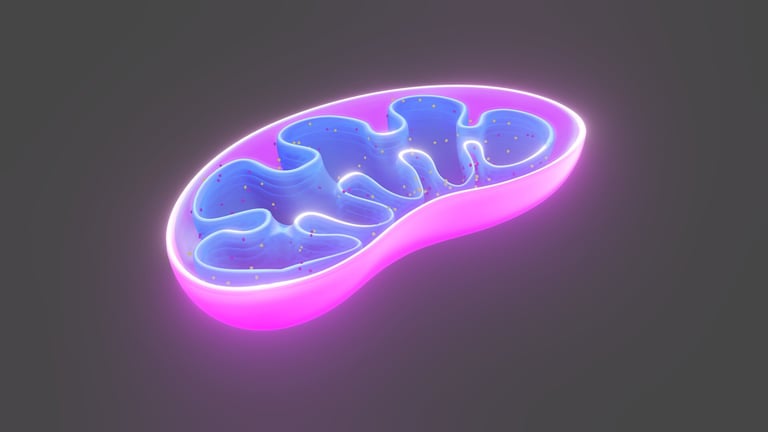

The study suggests that targeting mitochondrial health could provide new strategies for slowing neurological decline and improving the quality of life for MS patients.
The study received funding from the National Multiple Sclerosis Society and analyzed samples from the NeuroBioBank and the Cleveland Clinic, underscoring the need for continued support for scientific research to improve treatment strategies for MS.
A recent study from the University of California, Riverside, published on June 16, 2025, highlights mitochondrial dysfunction as a critical factor in the loss of Purkinje neurons in the cerebellum, which significantly impacts motor function in multiple sclerosis (MS) patients.
The research team observed that as MS progresses, Purkinje cells lose energy and myelin early on, with cell death occurring later, indicating a vital link between energy loss and neurological damage in MS.
Purkinje neurons are essential for smooth and precise movements, and their loss can lead to ataxia, a disorder that affects coordination and movement.
Led by Professor Seema Tiwari-Woodruff, the study indicates that inflammation and demyelination in the cerebellum impair mitochondrial function, contributing to the loss of Purkinje cells and resulting motor impairments.
Multiple sclerosis affects approximately 2.3 million people globally, with about 80% experiencing inflammation in the cerebellum, which is crucial for movement and balance.
This inflammation can lead to tremors and coordination issues due to the degeneration of healthy brain tissue over time.
Chronic inflammation and demyelination in MS disrupt normal nerve signal transmission, exacerbating neurological problems by damaging the myelin sheath surrounding nerve fibers.
Future research aims to explore whether mitochondrial impairments also affect other brain cells, such as oligodendrocytes and astrocytes, which are vital for brain health.
The research team analyzed postmortem cerebellar tissue from patients with secondary progressive MS and healthy controls, contributing to a deeper understanding of the mechanisms underlying MS.
Summary based on 3 sources
Get a daily email with more Science stories
Sources

Medical Xpress • Jun 16, 2025
Early mitochondrial impairment and myelin loss tied to multiple sclerosis brain damage
News-Medical • Jun 16, 2025
Mitochondrial dysfunction drives cerebellar damage in multiple sclerosis
Neuroscience News • Jun 16, 2025
Mitochondrial Link to Cerebellar Decline in MS