NASA Simulates Lunar Lighting for Artemis III Mission to Moon's South Pole
June 17, 2025

NASA engineers are preparing for the Artemis III mission by simulating the lunar lighting environment, which aims to send the first astronauts to explore the lunar South Pole.
As part of this mission, NASA is collaborating with SpaceX to develop the Starship Human Landing System, designed to safely transport astronauts to and from the Moon's surface.
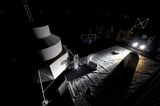
The testing environment mimics the reflective properties of lunar regolith, enabling engineers to observe the effects of lighting from multiple angles, which enhances mission planning.
The Artemis III mission leverages advancements from previous missions and new technologies to prepare for future Mars missions.
The simulations take place at the Flat Floor Facility in Huntsville, Alabama, which features one of the largest air-bearing floors in the world, allowing for frictionless movement of objects to closely replicate lunar conditions.
Using high-intensity lighting and lunar mock-ups, engineers are able to replicate the extreme lighting conditions astronauts will encounter on the Moon.
Engineers utilize powerful lights to simulate the low-angle, high-contrast lighting found at the Moon's South Pole, where shadows can stretch significantly and bright sunlight can create blinding effects.
This facility allows engineers to study how shadows will affect visual inspections and operational assessments during crewed missions, which is crucial for ensuring astronaut safety and mission success.
Emma Jaynes, a test engineer, highlights the importance of understanding shadow effects for the safety of astronauts and the overall success of the mission.
The testing not only enhances training models for astronauts but also assists cross-agency teams in evaluating tools for lunar operations.
Overall, the Artemis program aims to foster scientific discovery, economic growth, and lay the groundwork for future crewed missions to Mars.
Summary based on 3 sources
Get a daily email with more Science stories
Sources
NASA • Jun 17, 2025
NASA Engineers Simulate Lunar Lighting for Artemis III Moon Landing - NASA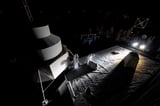
Phys.org • Jun 17, 2025
Engineers simulate lunar lighting for Artemis III moon landing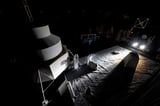
Mirage News • Jun 17, 2025
NASA Engineers Simulate Lunar Light for Artemis III