Germany Cuts Funding for Mediterranean Sea Rescues, Sparking Humanitarian Outcry
June 25, 2025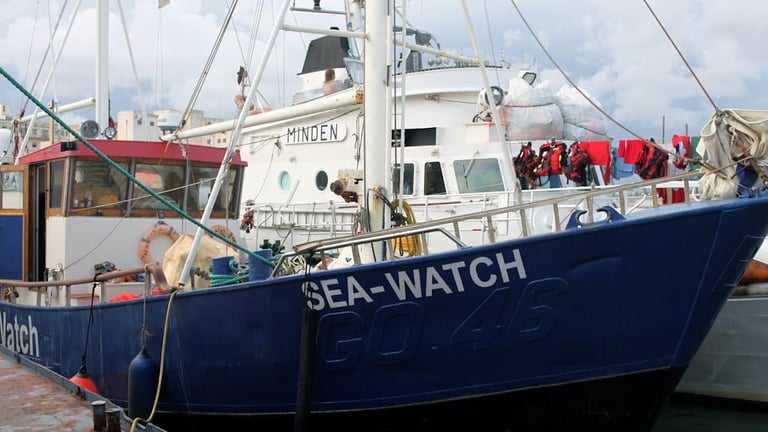

The German government has decided to end financial support for civil sea rescue operations for refugees in the Mediterranean, as outlined in the budget plans by Finance Minister Lars Klingbeil.
According to these plans, there will be no funds allocated for organizations like Sea-Eye, SOS Humanity, and Sant'Egidio, which have been crucial in rescue operations.
Sea-Eye has described this funding cut as a 'fatal signal,' highlighting their role in filling a critical gap in Mediterranean rescues that European states, including Germany, should address.
Despite a nearly 900,000 euro allocation to five organizations earlier this year, the Foreign Office confirmed that no further funding will be provided.
Previously, the government provided approximately two million euros annually to support these organizations, with nearly 900,000 euros distributed at the beginning of 2025 before the budget was finalized.
The decision comes at a time when the Mediterranean remains the deadliest migration route in the world, with over 2,400 individuals having died in 2024 alone, according to the International Organization for Migration.
Green Party MP Jamila Schäfer condemned the government's decision, arguing that cutting funding will not reduce migration but will make escape routes more dangerous, emphasizing that sea rescue is a humanitarian obligation.
Critics, including Britta Haßelmann, leader of the Green parliamentary group, have labeled the funding cut as a humanitarian failure and a violation of legal obligations to provide rescue efforts.
The funding cut has been defended by the Union party, which claims that these rescue operations inadvertently support human smuggling networks, a claim that lacks empirical evidence according to various studies.
Johann Wadephul, the current Foreign Minister, has long advocated for ending taxpayer funding for these NGOs, arguing that they enable human trafficking.
Gorden Isler, chairman of Sea-Eye, expressed concerns that the organization may have to remain in port even during rescue emergencies due to the lack of funding.
Summary based on 5 sources