Virgin Australia Aims for A$685M IPO Return to ASX, Challenges Qantas
June 4, 2025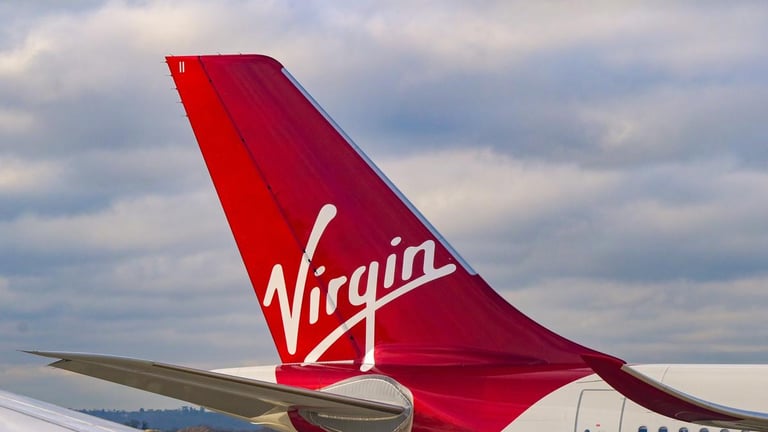

Virgin Australia is gearing up for a significant return to the Australian sharemarket with a planned initial public offering (IPO) aiming to raise A$685 million.
The IPO will offer 30% of the airline's shares at a price of A$2.90 each, as announced on June 4, 2025.
This share price reflects a valuation of approximately seven times the airline's projected earnings for the fiscal year ending in June 2025, which is notably lower than Qantas Airways' valuation of around ten times expected earnings.
Demand for the offering has reportedly exceeded expectations from both domestic and global investors ahead of the bookbuild.
Fund managers have until June 5, 2025, to submit their bids for shares, while retail investor bids are due by June 6, 2025.
Trading of Virgin's shares on the Australian Securities Exchange (ASX) is set to commence on June 26, 2025, under the ticker symbol VGN.
Private equity firm Bain Capital, which controls Virgin Australia, plans to sell approximately 30% of the airline, positioning it as a key competitor to Qantas Airways.
Following the IPO, Bain's ownership stake in Virgin Australia will decrease from 70.2% to 40%, while Qatar Airways will hold a 25% stake and the airline's management will retain 6.4%.
Bain Capital acquired Virgin Australia in 2020 after the airline entered administration due to financial difficulties exacerbated by the COVID-19 pandemic, and has been preparing for this IPO for at least two years.
In October 2024, Bain sold a 25% stake in Virgin to Qatar Airways, which is expected to facilitate expanded international flights starting later in June 2025.
Despite ongoing global economic uncertainties, Australia's S&P/ASX 200 index has risen about 15% since April 2025, providing a favorable environment for this IPO.
Virgin Australia's previous experience with public trading prior to its 2020 collapse was marked by poor stock transactions and a lack of investor support during the pandemic.
Summary based on 2 sources
Get a daily email with more Australia News stories
Sources
The Sydney Morning Herald • Jun 3, 2025
Virgin Australia gets $685 million IPO ready for lift-off
The West Australian • Jun 4, 2025
Virgin Australia targeting $685 million initial public offering as shareholder Bain rides rally