Study Uncovers Stark Regional Disparities in US Dementia Rates, Southeast Hit Hardest
June 9, 2025

A recent study published in JAMA Neurology on June 9, 2025, reveals significant regional disparities in dementia rates across the United States, particularly highlighting the Southeast and Northwest regions.
The research analyzed dementia rates across ten US regions, using the Mid-Atlantic as a baseline, which reported the lowest rates at 11 cases per 1,000 people.
In contrast, the Southeast region exhibited a notably higher dementia diagnosis rate of 14 cases per 1,000 person-years, representing a 25% increase compared to the Mid-Atlantic.
The study found that residents in the Northwest and Rocky Mountain states also faced a 23% increased risk, with rates of 13 cases per 1,000.
Lower educational attainment was identified as a common characteristic in areas with higher dementia rates, particularly in the Southeast.
Despite controlling for factors such as age, race, and cardiovascular disease, the observed regional differences in dementia rates persisted, suggesting the influence of additional unexplored factors.
The researchers noted that certain influential factors, including early-life education quality and early signs of cognitive decline, may not be captured in health records but could impact long-term dementia risk.
Access to medical care was also highlighted as a potential factor, with rural areas facing more challenges than urban locations, contributing to higher dementia rates in those communities.
Health conditions such as stroke, high blood pressure, diabetes, and obesity were found to be more prevalent in higher-risk regions, potentially increasing dementia risk.
Currently, over 6 million Americans are living with dementia, and projections suggest that this number could rise to 12.7 million by 2050, driven by an aging population and increasing brain health issues.
The researchers aim to further investigate the underlying factors contributing to these regional differences, with hopes of improving resource allocation and intervention strategies for vulnerable populations.
The study followed over 1.2 million veterans aged 65 and older, examining their health records over an average of 12 years, providing a comprehensive dataset for analysis.
Summary based on 5 sources
Get a daily email with more Science stories
Sources

Daily Mail • Jun 9, 2025
Terrifying map reveals dementia clusters that'll make you consider moving
The Independent • Jun 9, 2025
How high is your risk of dementia? It may depend on where you live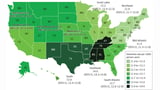
Gizmodo • Jun 9, 2025
These U.S. States Have the Highest Rates of Dementia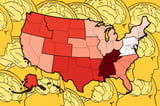
Newsweek • Jun 9, 2025
Which US States Have the Highest Risk of Dementia?