Brain Stimulation Boosts Math Learning: Study Reveals Potential and Ethical Concerns
July 1, 2025

This research, involving 72 students from the University of Oxford, aims to optimize learning and address cognitive disparities, highlighting the significant role of neurobiology in educational outcomes.
The findings suggest that biological factors may have a greater impact on math learning than environmental influences, supporting the 'Matthew effect' where those with early educational advantages continue to excel.
A recent study led by neuroscientist Roi Cohen Kadosh from the University of Surrey found that participants with weaker connections between the dorsolateral prefrontal cortex (dlPFC) and posterior parietal cortex (PPC) showed improved calculation learning after receiving electrical stimulation to the dlPFC.
They cautioned against non-professional attempts to replicate the stimulation at home, underscoring the research's potential to help individuals achieve their academic and professional goals.
However, the study has limitations, including an average participant age of 21, which may not be applicable to children, and a small sample size that could affect the statistical power of the results.
Moreover, improvements were primarily observed in response speed rather than accuracy in mathematical calculations, which may limit the practical implications of the study in educational settings.
The research utilized a multimodal approach, measuring behavioral performance, brain connectivity, and molecular factors, while also considering individual differences among participants.
Cohen Kadosh emphasized the potential of this research to assist individuals struggling with learning, while also raising ethical concerns about accessibility and the risk of exacerbating socioeconomic gaps.
Both researchers involved in the study stressed the importance of scientifically validating consumer devices based on these findings to ensure their efficacy and safety.
Future research is recommended to explore the relationships between neurochemistry, brain plasticity, and the effectiveness of neurostimulation in enhancing math learning in real-world educational contexts.
Cohen Kadosh expressed optimism about the potential for at-home brain stimulation technology, particularly for individuals with learning difficulties and neurodevelopmental disorders like ADHD.
Interestingly, previous research indicated that brain stimulation could adversely affect individuals with high math skills, suggesting that such stimulation might disrupt optimal brain function.
Summary based on 9 sources
Get a daily email with more Science stories
Sources

Live Science • Jul 1, 2025
Zapping the brain may help boost math skills, study hints
Phys.org • Jul 1, 2025
Brain stimulation can boost math learning in people with weaker neural connections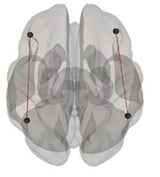
EurekAlert! • Jul 1, 2025
Brain stimulation can boost math learning in people with weaker neural connections
GEN - Genetic Engineering and Biotechnology News • Jul 1, 2025
Electrical Stimulation of Prefrontal Cortex Boosts Math Performance